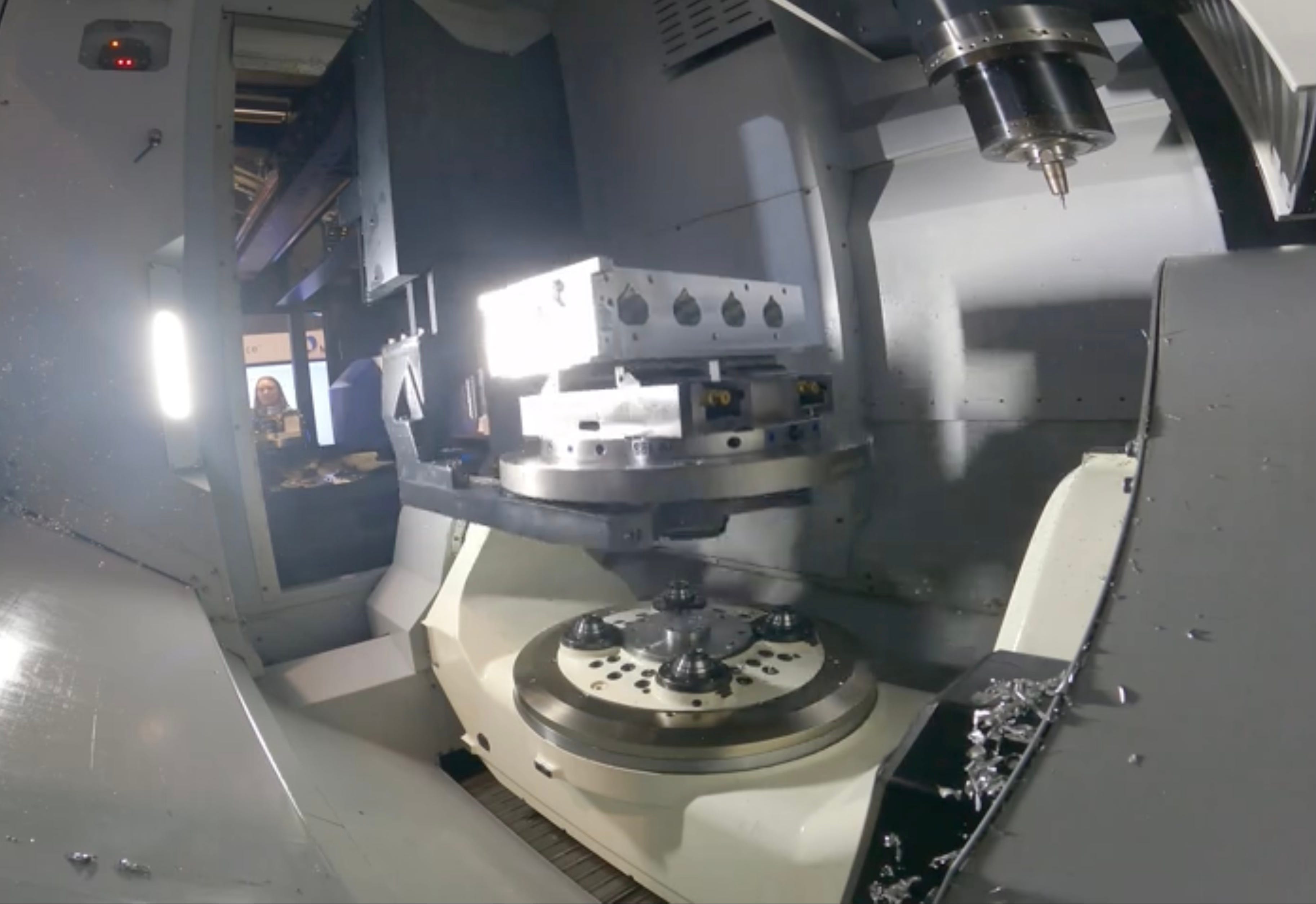
One of the trends in CNC machining that is so broad it’s hard to see is systemization. That is, the increasing extent to which a machine tool is not valuable strictly for the machining capabilities it delivers, but also for the role it might play as a node within an automated or interconnected process or system.
To state this a different way: In the past, a machine tool was purchased as a self-contained unit—perhaps with the sense that, if the right long-running job comes along, then the machine can be supplemented with a robot later. But today, it is more often the case that the buyer of the machine tool expects from the beginning that the machine will operate in an automated mode allowing for job sequencing and long unattended operation. This means the machine tool itself is not the sole hardware component determining the equipment choice, but also the automation system that integrates best with that machine and with the shop’s vision and needs for automated workflow.
Thus, workhandling automation in machining is now a more sophisticated consideration. Automation is not an afterthought (as in the robot added later), but a determining factor of value. Different choices in automation deserve more careful analysis on their merits.
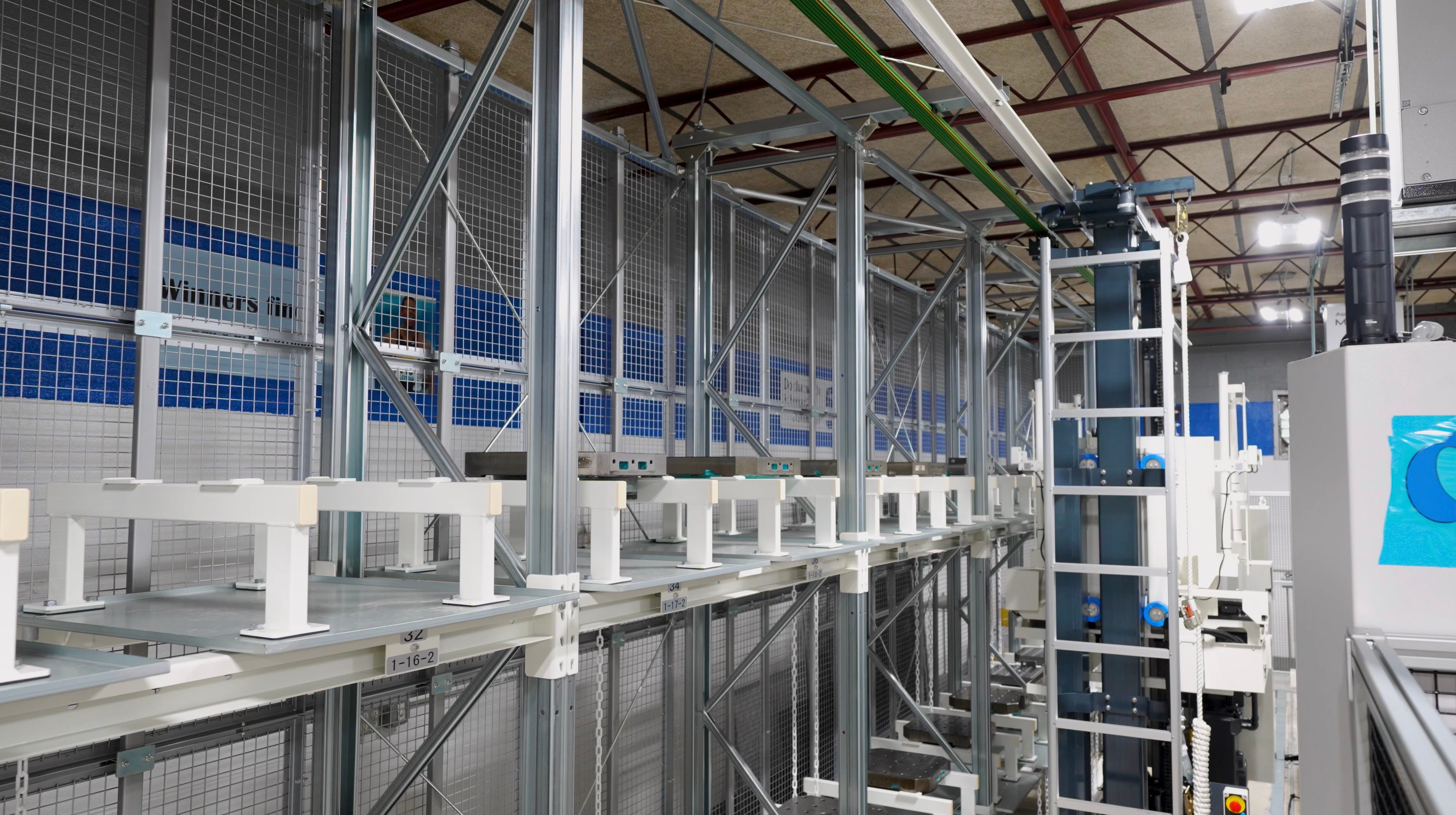
For machining centers specifically, pallet systems are a primary automation choice: the chance to store fixturing on parked pallets, ready to pull into the machine tool when it is time to run that job again.
But what kind of pallet system? There are at least two fundamental designs of pallet systems feeding machining centers:
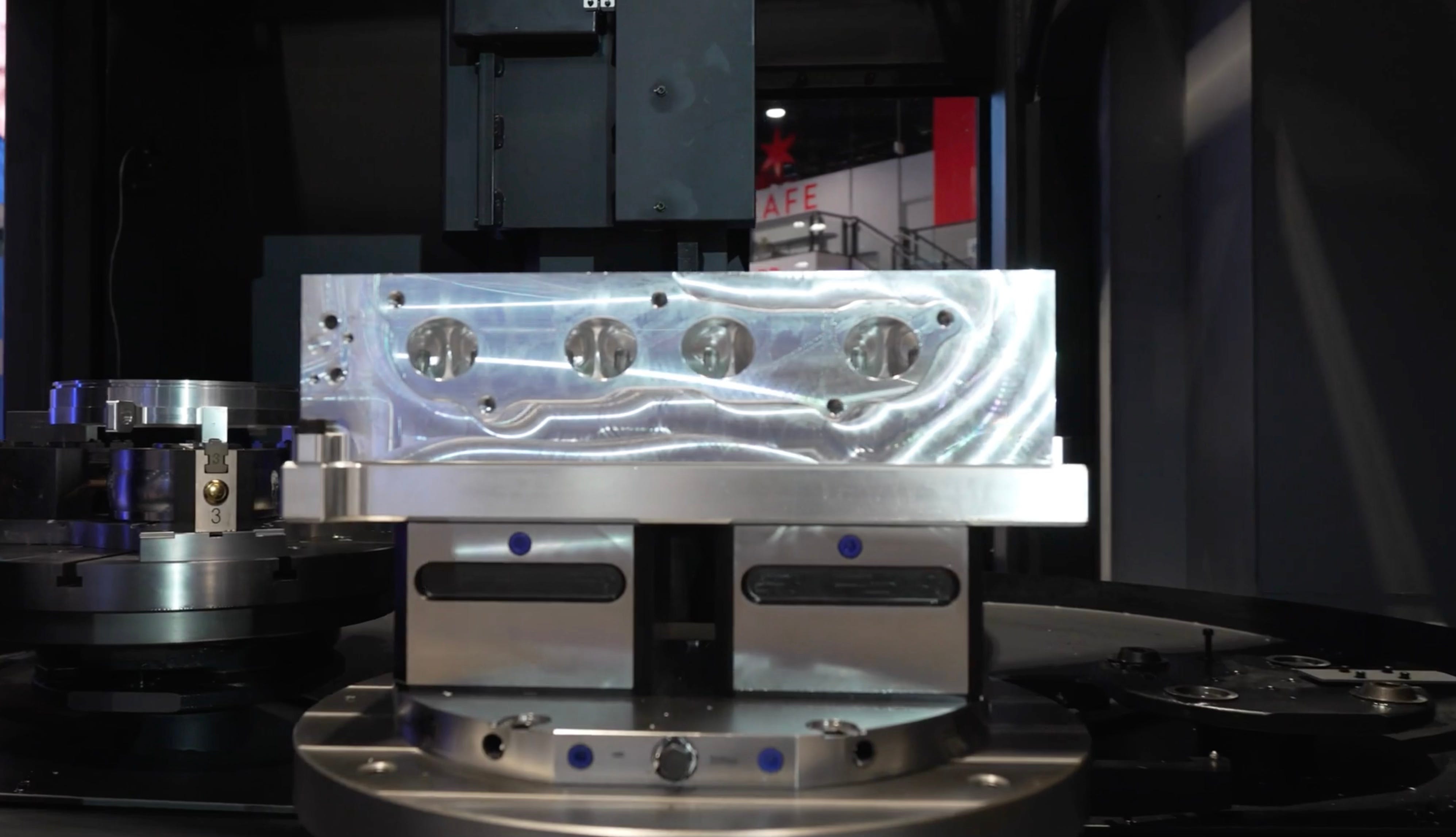
One is nimble, compact, and contained within or very close to the machine, storing small pallets close to the spindle of a single machine tool.
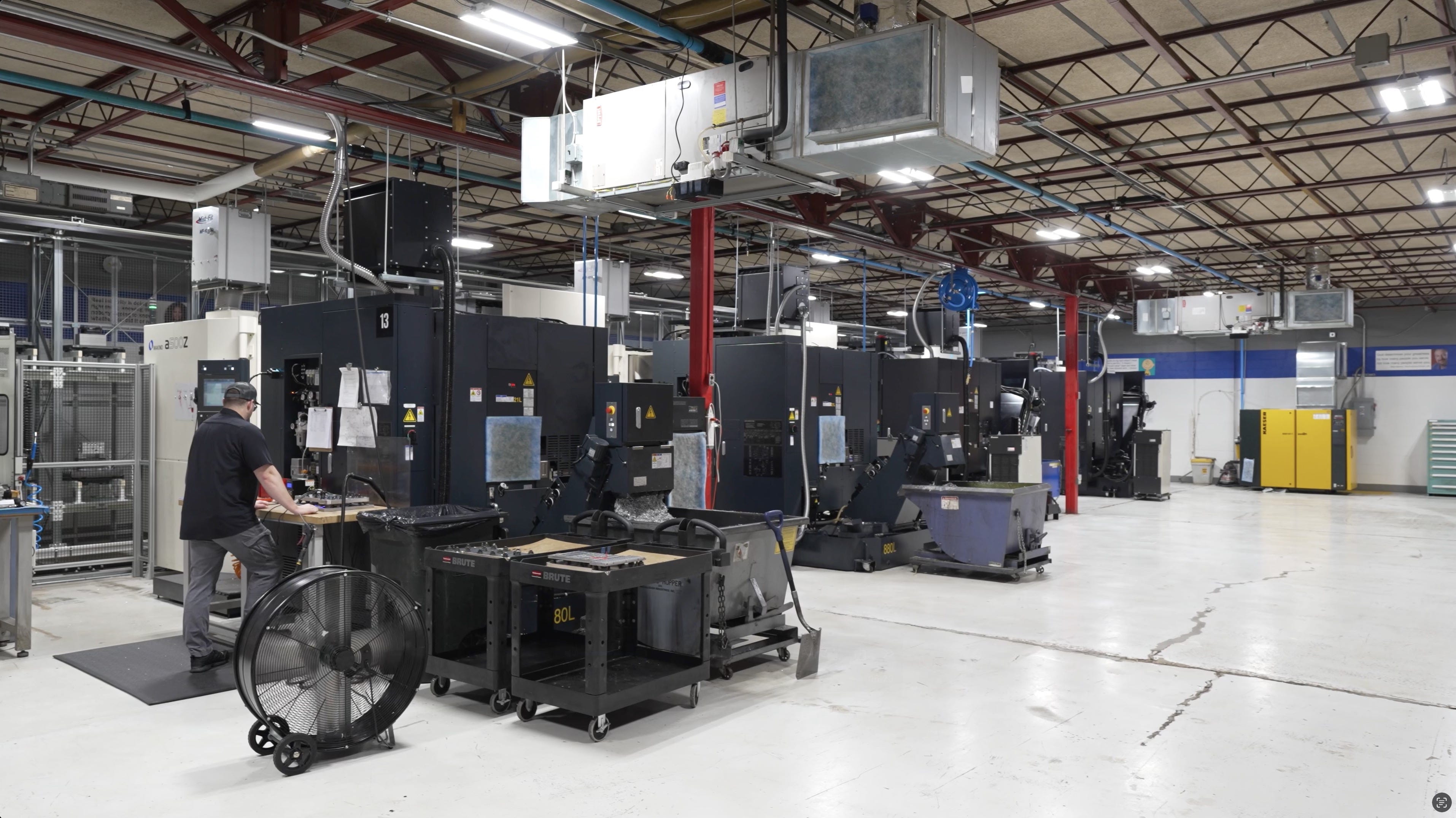
The other design is expansive, airy, often as long as the building, and allows several machines in a row to pull pallets from the same shared library of setups.
Which is better? That depends. Advance CNC Machining of Grove City, Ohio, uses both types of pallet systems, for running different types of work.
I created a video series with Advance CNC in which I report on ideas in technology by visiting some of the shop’s suppliers at this year’s International Manufacturing Technology Show (IMTS).
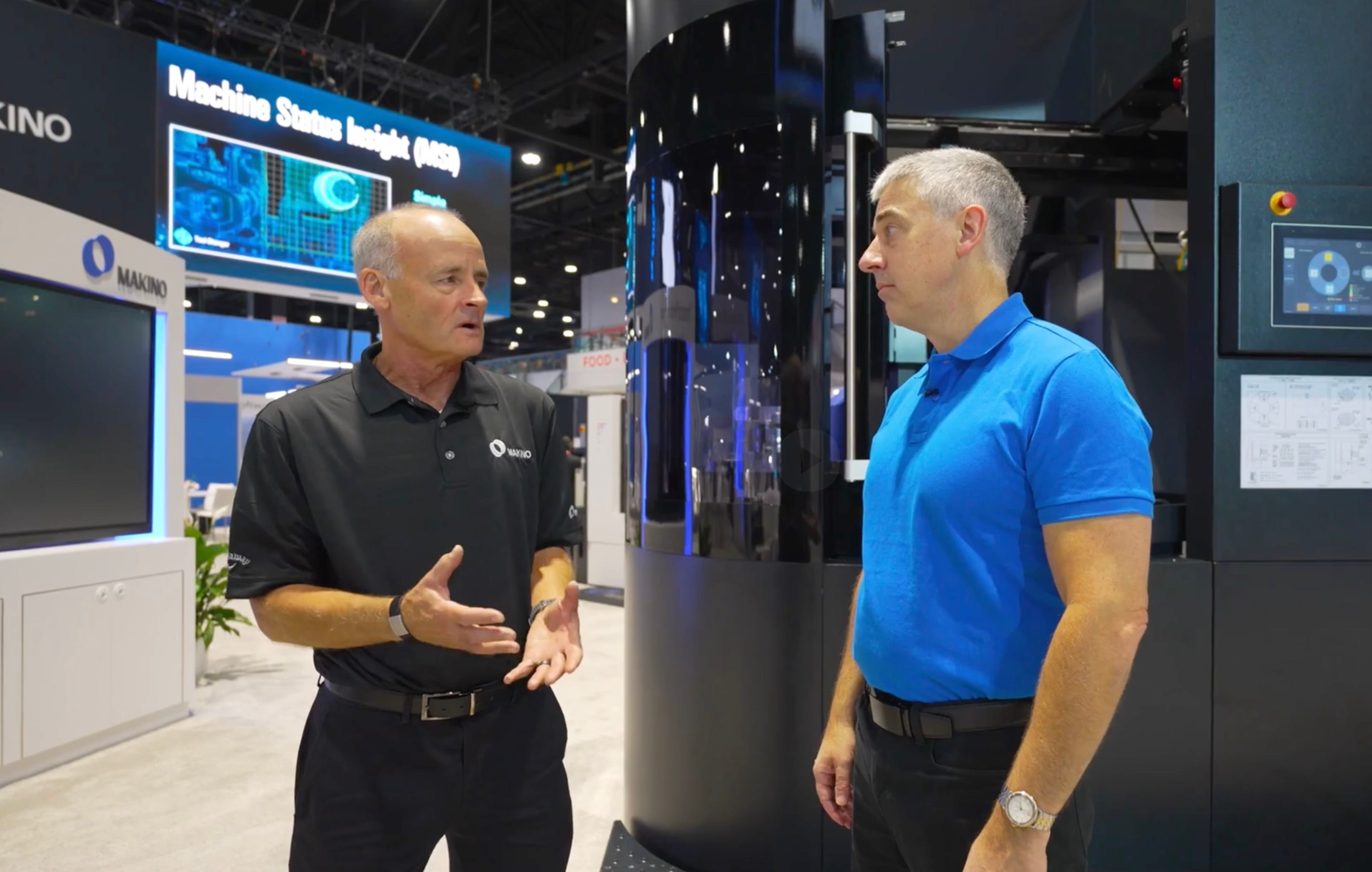
We are beginning this series with Makino, the provider of not just machining centers used by Advance CNC, but also the system-level workhandling automation serving these machines.
I spoke with Makino’s David Walton (above left) on the different considerations. Here is our conversation on choices in pallet automation for machining centers:
And here is more on the new series, in which I report from IMTS on behalf of Advance CNC.
Subscribe so you are sure to catch all the episodes to come: