
Is 5-axis machining better than 4-axis machining? Not always.
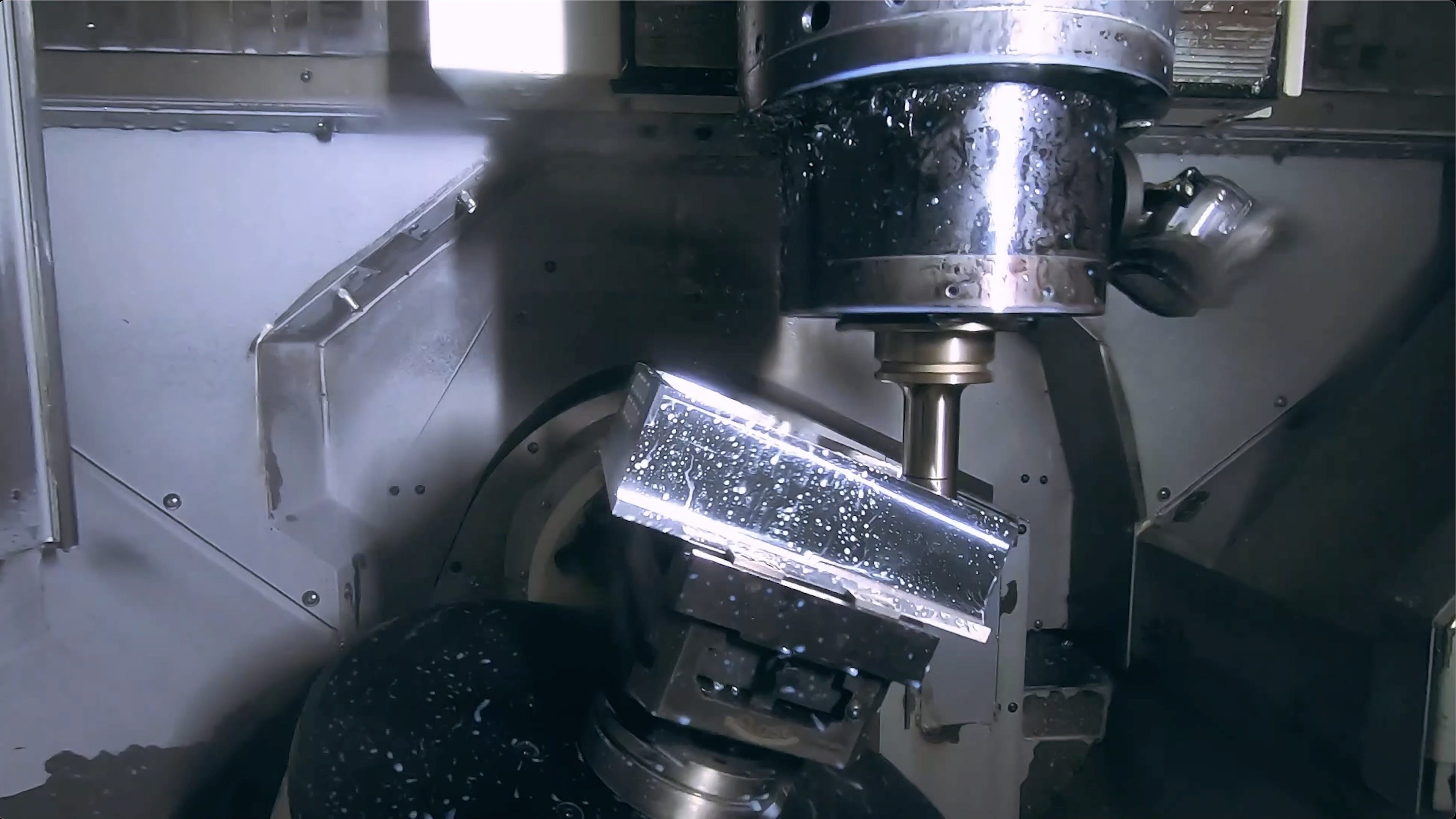
The definition of “5-axis” is generally well understood within machining. This is a mode of machining drawing on two pivoting axes of either the table or the tool to bring even greater motion and orientation capabilities in tandem with the XYZ linear motion.
“4-axis” is a way of referring to the standard horizontal machining center platform, which offers a rotary axis under the table capable of rotating the work.
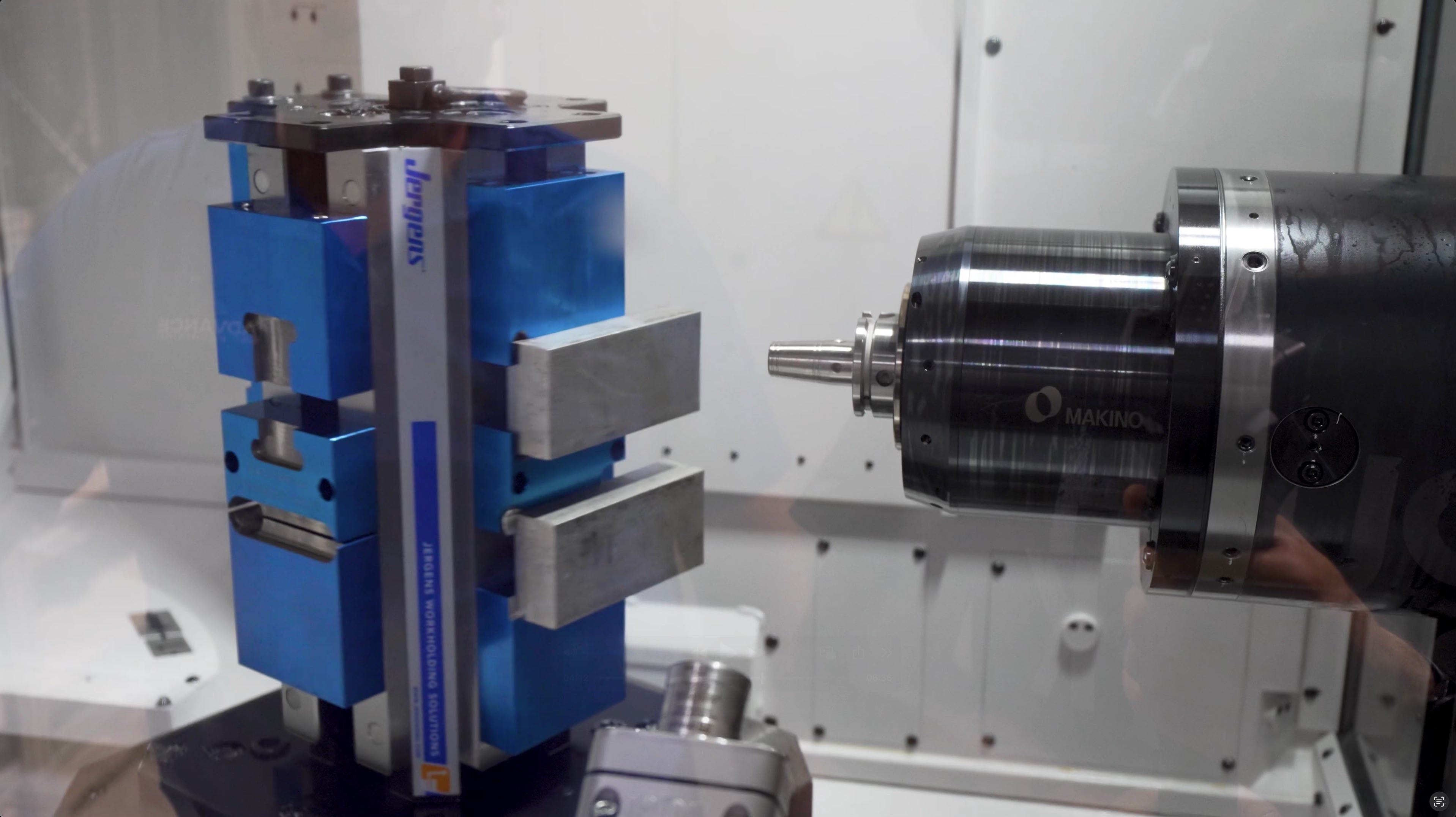
The latter option might seem to offer less freedom, except that it offers freedom of a different sort. Compared to a 5-axis machine, the 4-axis platform likely affords more room to hold more parts per setup.
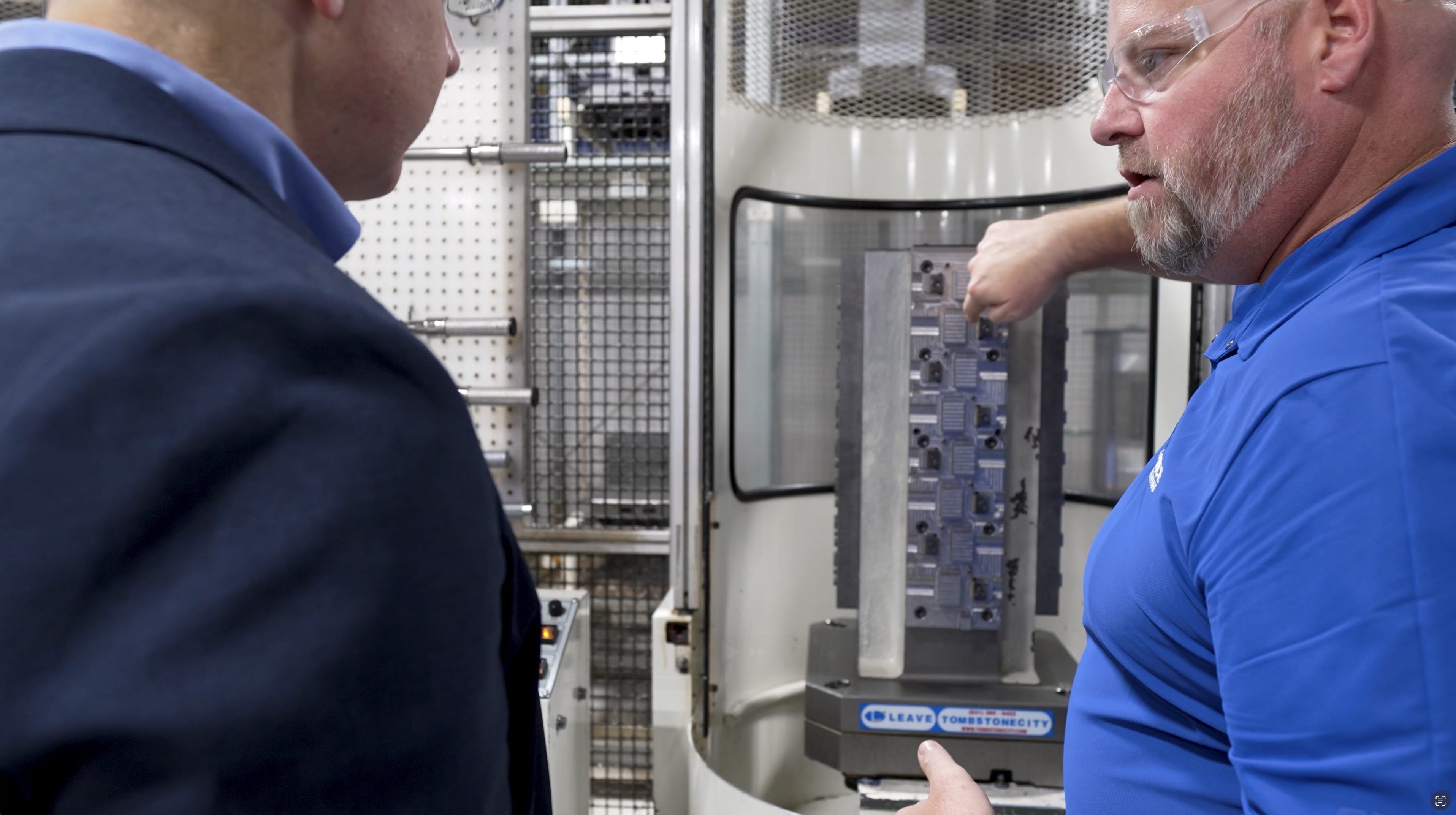
Further, the difference between the two capabilities may relate to only one odd feature of a workpiece that really needs the 5-axis orientation. An engineered fixture capable of holding the part (or every part in the setup) at just the right angle can allow the cycle on the 4-axis machine to machine this odd feature as well. The question is then whether the quantity and value of the job can justify the investment in engineered fixturing.
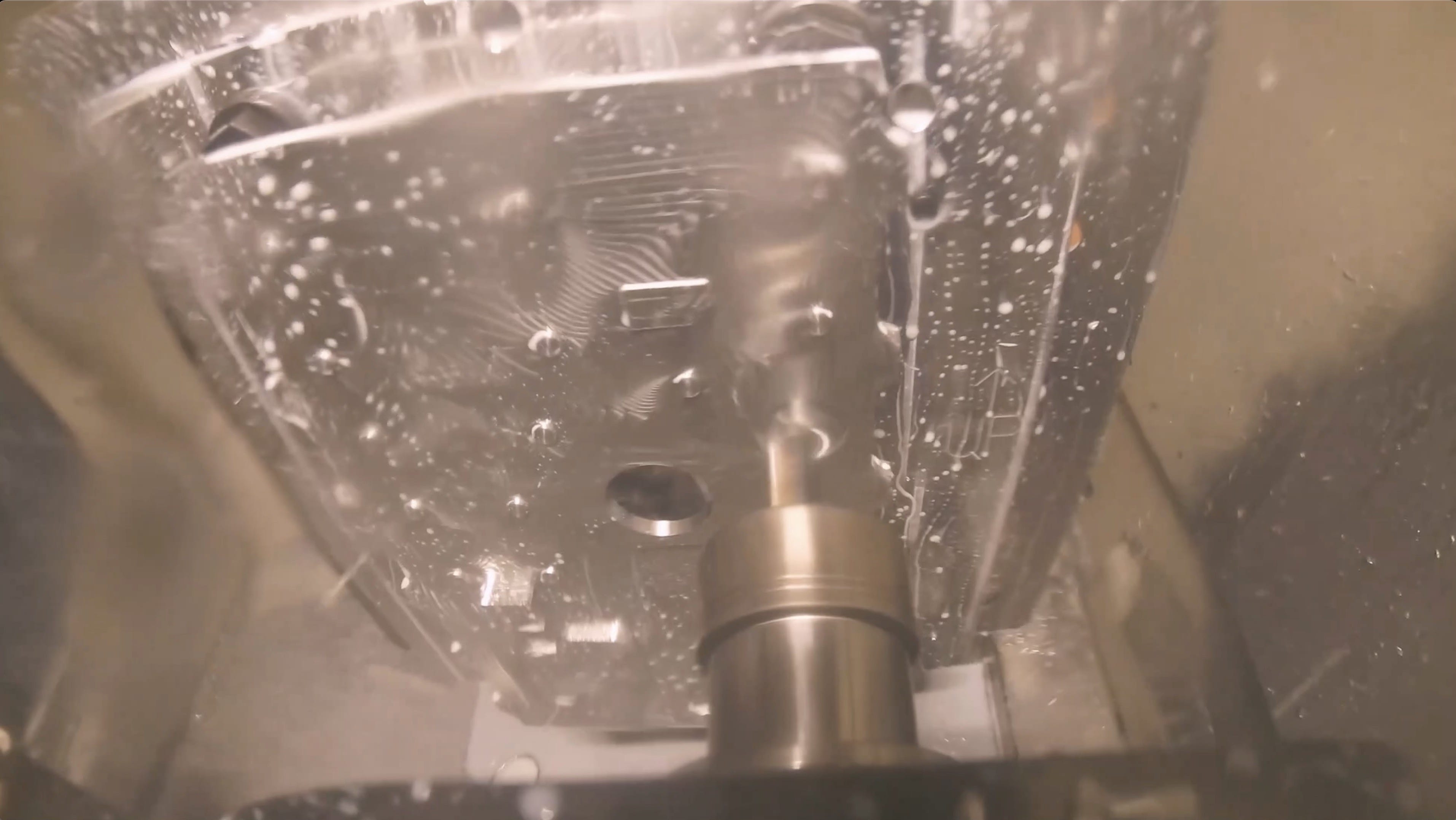
Advance CNC Machining has 5-axis and 4-axis machining centers from Makino, and the shop’s Kyle Dunaway thinks about which jobs go on which machines. He shares his thinking with me in this video, which also includes machining cycle footage demonstrating both types of machine motion: