
Gage Repeatability and Reproducibility (GRR) describes a system for statistical confidence in the output of production processes. It works for CNC machining. Why does it not generally work for another industrial part-making process, metal additive manufacturing, specifically laser powder bed fusion (LPBF)?
Two major, overlapping reasons:
Additive manufacturing does significantly more than CNC machining. LPBF produces not just the part geometry, but instead the part geometry plus the microstructural properties of the material of which the part is made.
GRR builds confidence from repetitive measurement. Measuring the material properties produced through LPBF, among other metal additive processes, generally involves coupons produced for destructive testing. Destruction rules out repetition, so there is less opportunity to build a legacy of data.
Still, the data record is being built, however slowly. And LPBF has now been producing long enough that the volume of data available to some users is large indeed, perhaps transformatively so.
In short: Get enough data, and statistical confidence along the lines of GRR becomes possible. This is the new age of metal additive manufacturing we are now entering.
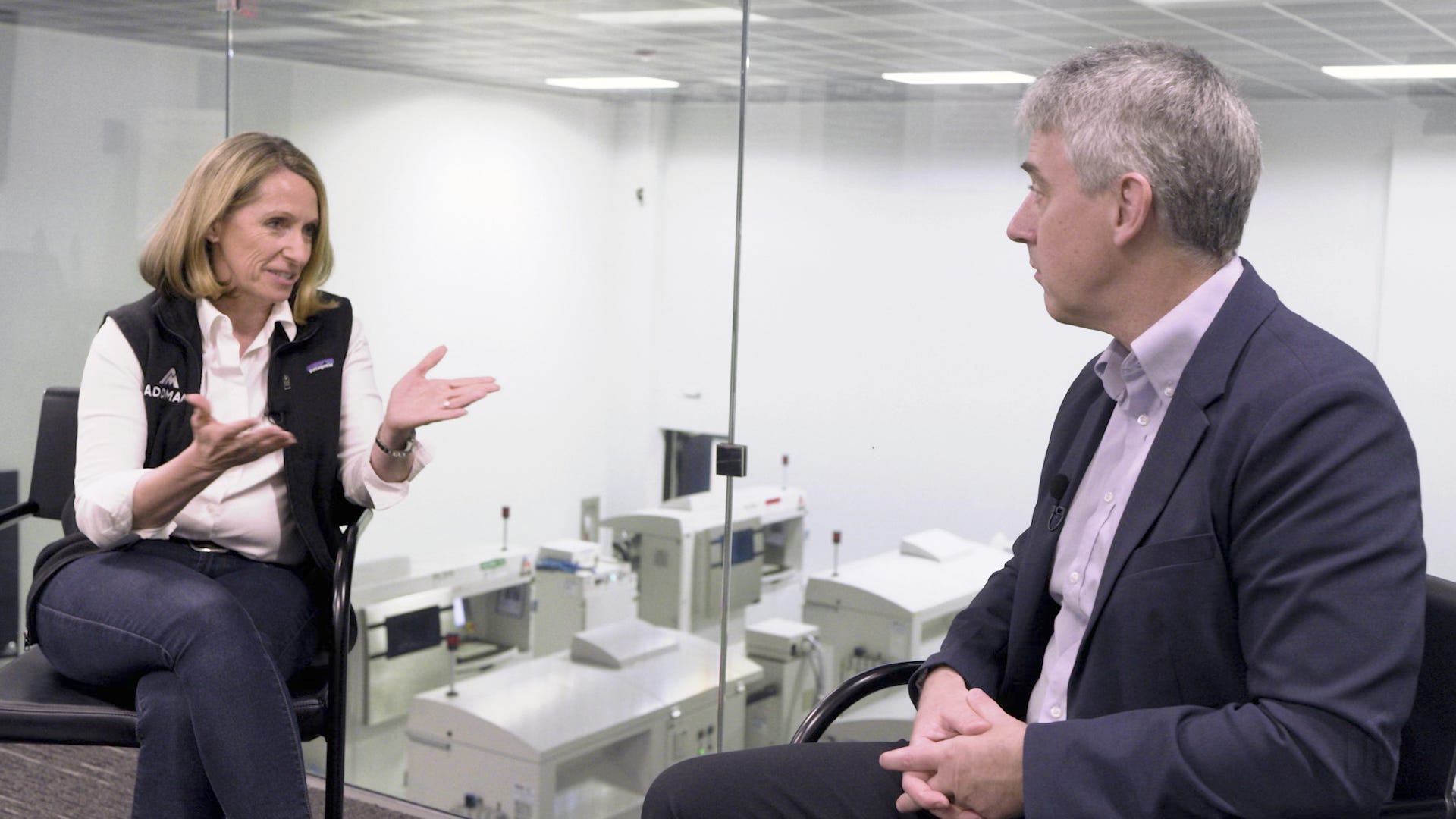
Haley Cook and I discuss this in the latest episode of Manufacturing Unlimited, produced by the ASTM Additive Manufacturing Center of Excellence. Cook (seen above) is Senior Director of Operations for Metal Additive Manufacturing with ADDMAN, which is one of the LPBF users leading in terms of scale, history, and access to data. ADDMAN runs more than 50 LPBF machines across three sites in the U.S., and it has sizable destructive testing material data histories even for more obscure additive manufacturing metals such as C103.
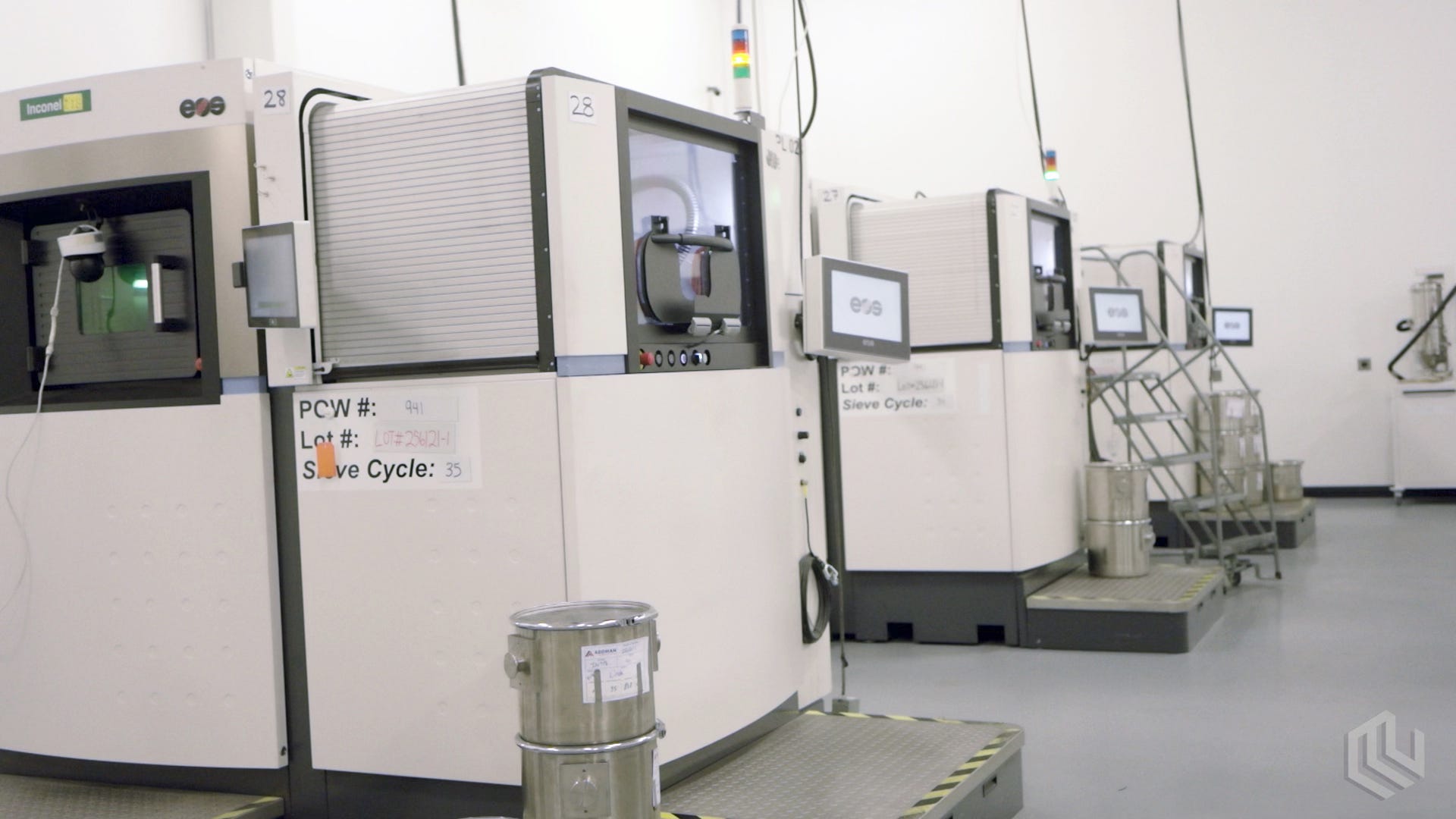
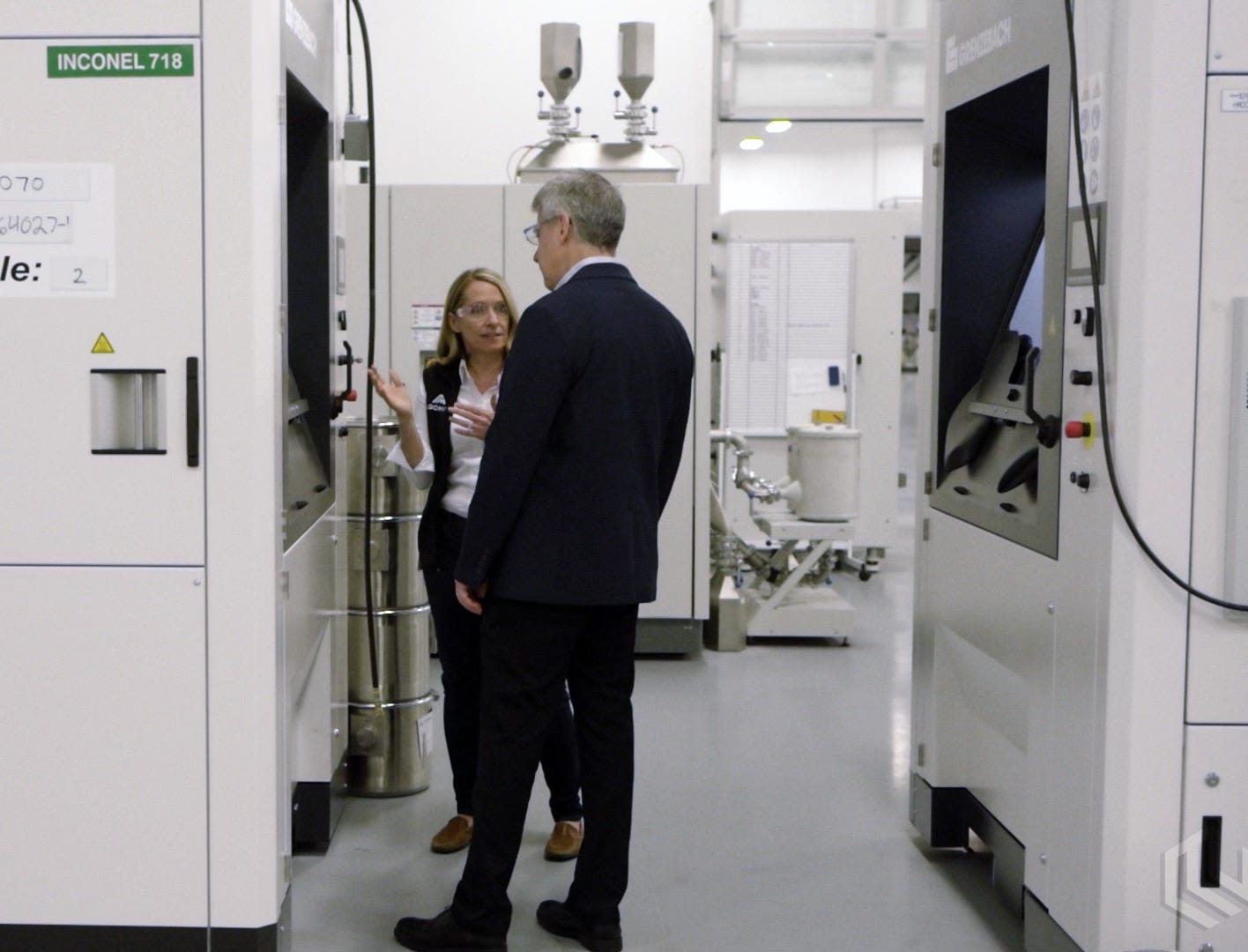
I met with Cook at ADDMAN’s North Carolina facility (the largest of its LPBF sites), where she described what she and others within ADDMAN are coming to understand about the power of the volume of data now available for LPBF process characterization.
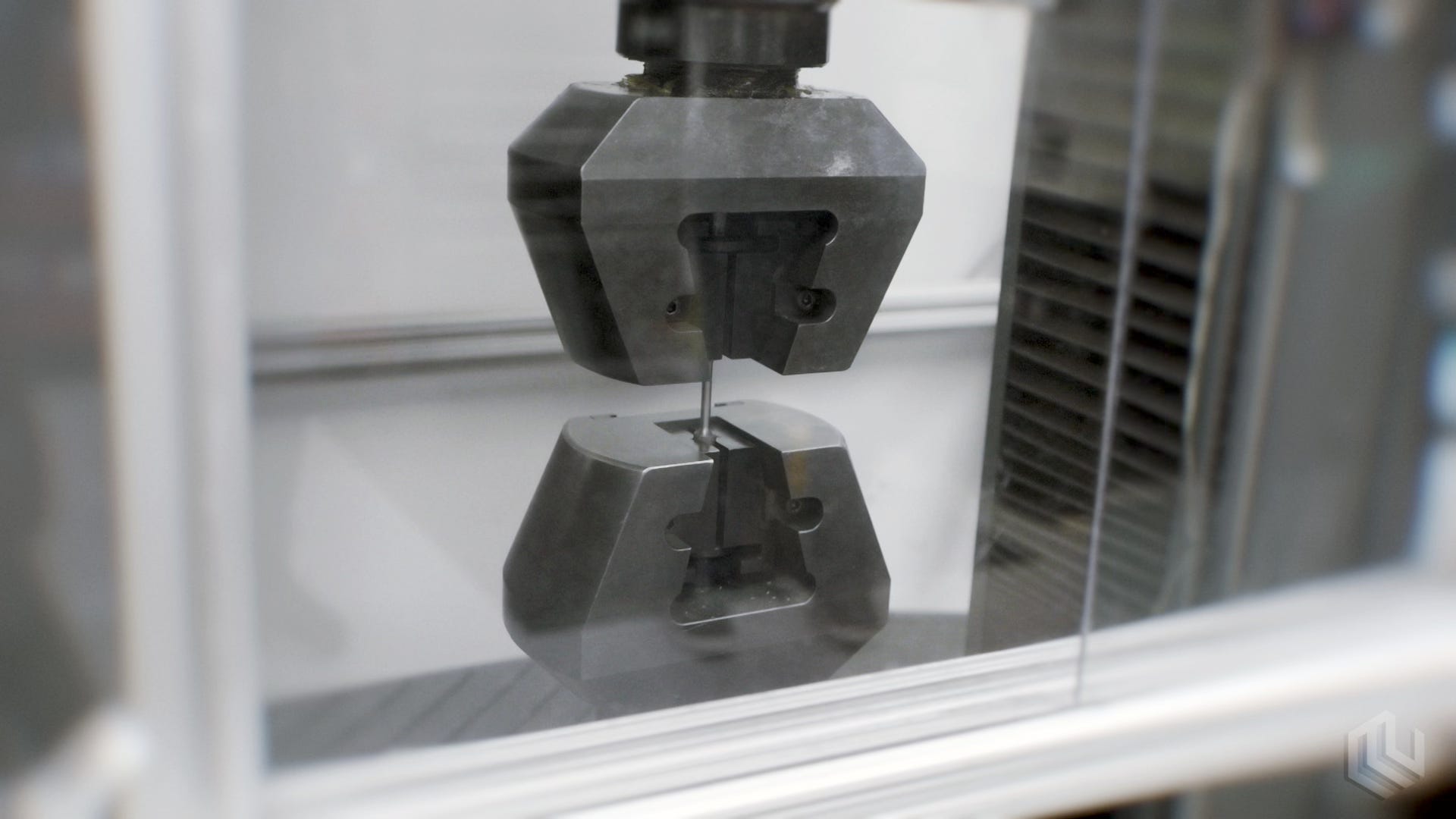
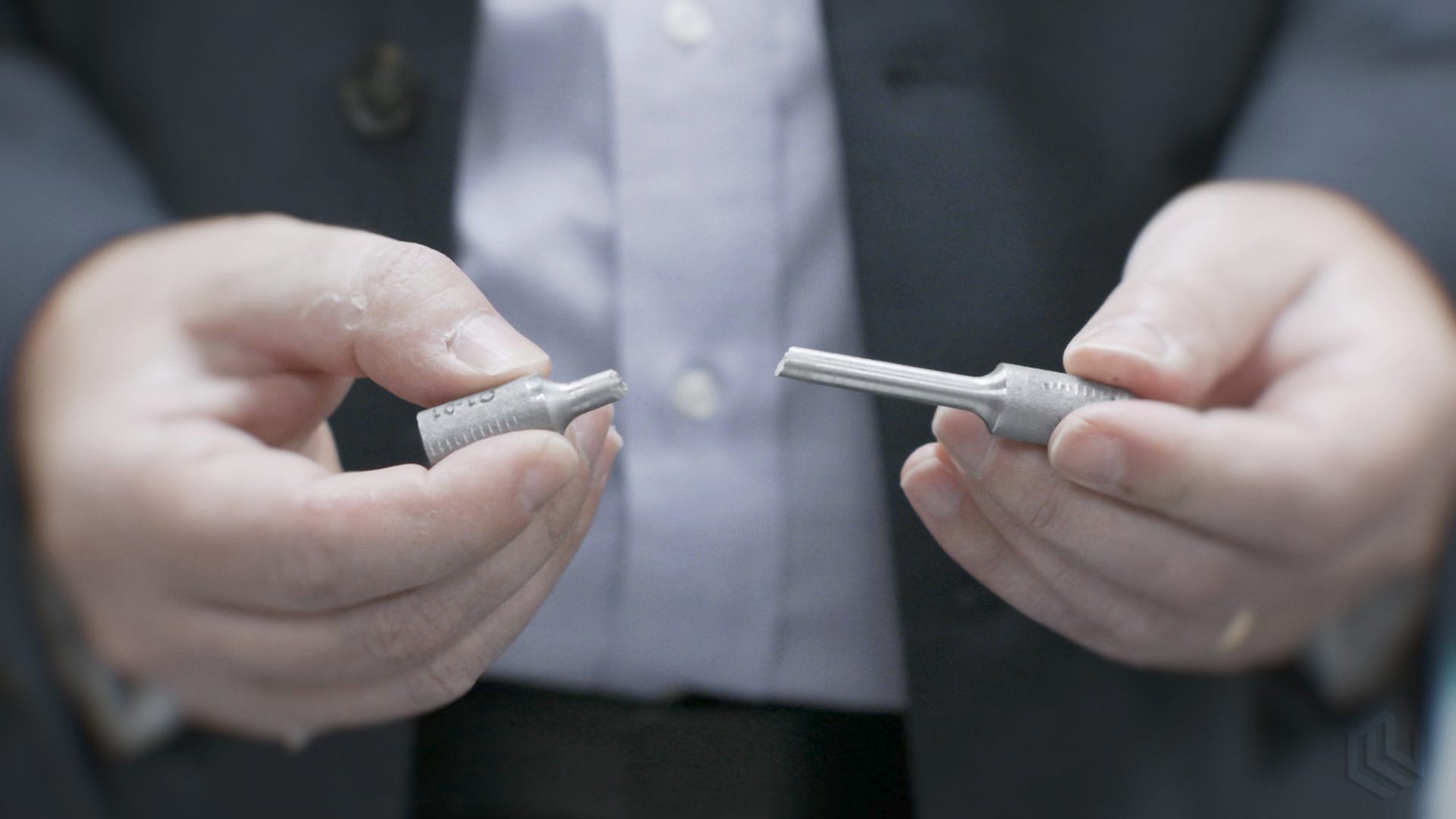
There is a threshold we are about to cross with additive manufacturing, she says. Statistical confidence will reduce our need to rely on 3D printed test coupons and destructive testing (such as tensile specimen testing, as illustrated in the images above). This in turn will expand the opportunities for additive, because destructive testing has been a tax on additive so far. Reduce the role and requirement for destructive testing, and additive manufacturing for metal part production will become cheaper and easier to use.
More in this episode:
For even more, Haley Cook will present on statistical validation for additive manufacturing at the upcoming International Conference on Advanced Manufacturing (ICAM). Learn more and register via the button below.