What does it take to keep a drone in the air for 2 hours on one battery charge?
It takes at least three things:
3D printing.
Redesigning the drone to optimize flight time.
Building a company able to realize #2 and apply #1 to bring it into production.
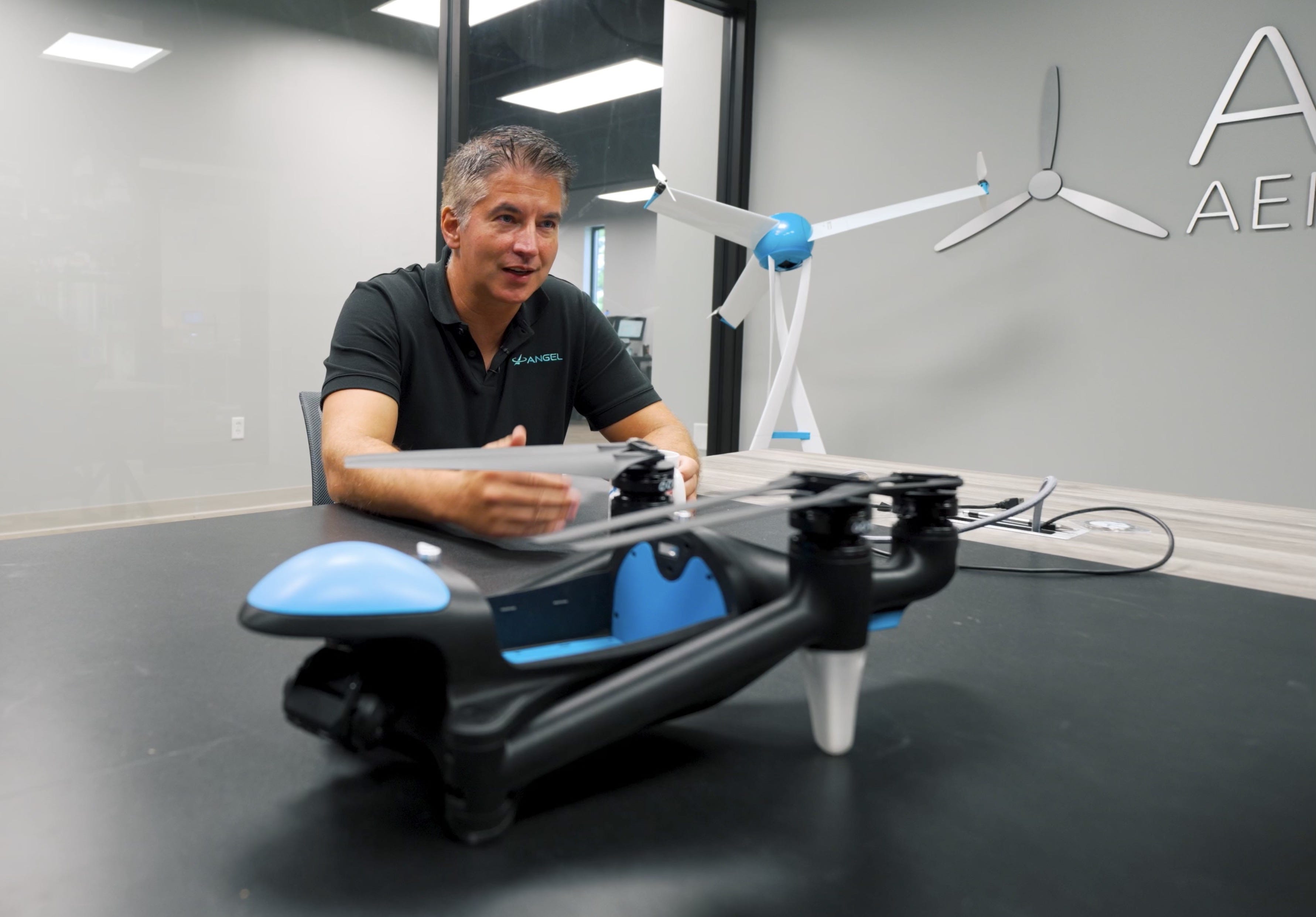
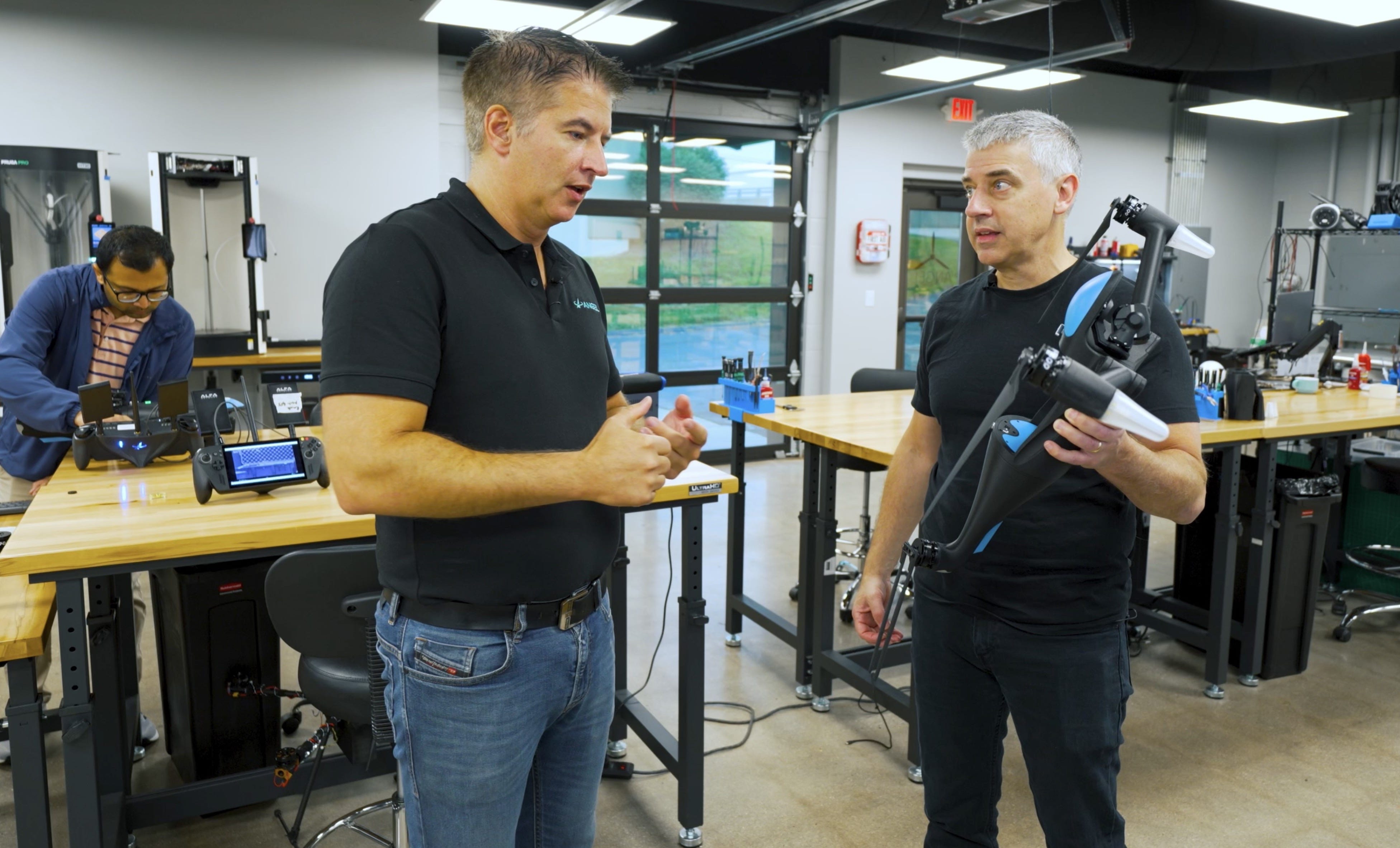
Will Hasting, co-founder of Angel Aerial Systems, talks about all of this in my conversation with him for The Z Axis. Hasting’s career as an engineer included years working first for a major aerspace company, then for a major provider of additive manufacturing technology. Those two worlds suggested to him something different about drones. The standard quadcopter drone design is a suboptimal fit for some of the more critical needs a drone is used to address, particularly search and rescue operations. A different design of the drone with fewer, larger rotors and a lightweight body enabled by additive manufacturing with reinforced polymer material could produce a drone with dramatically longer flight time than standard commercial drones in first-responder applications.
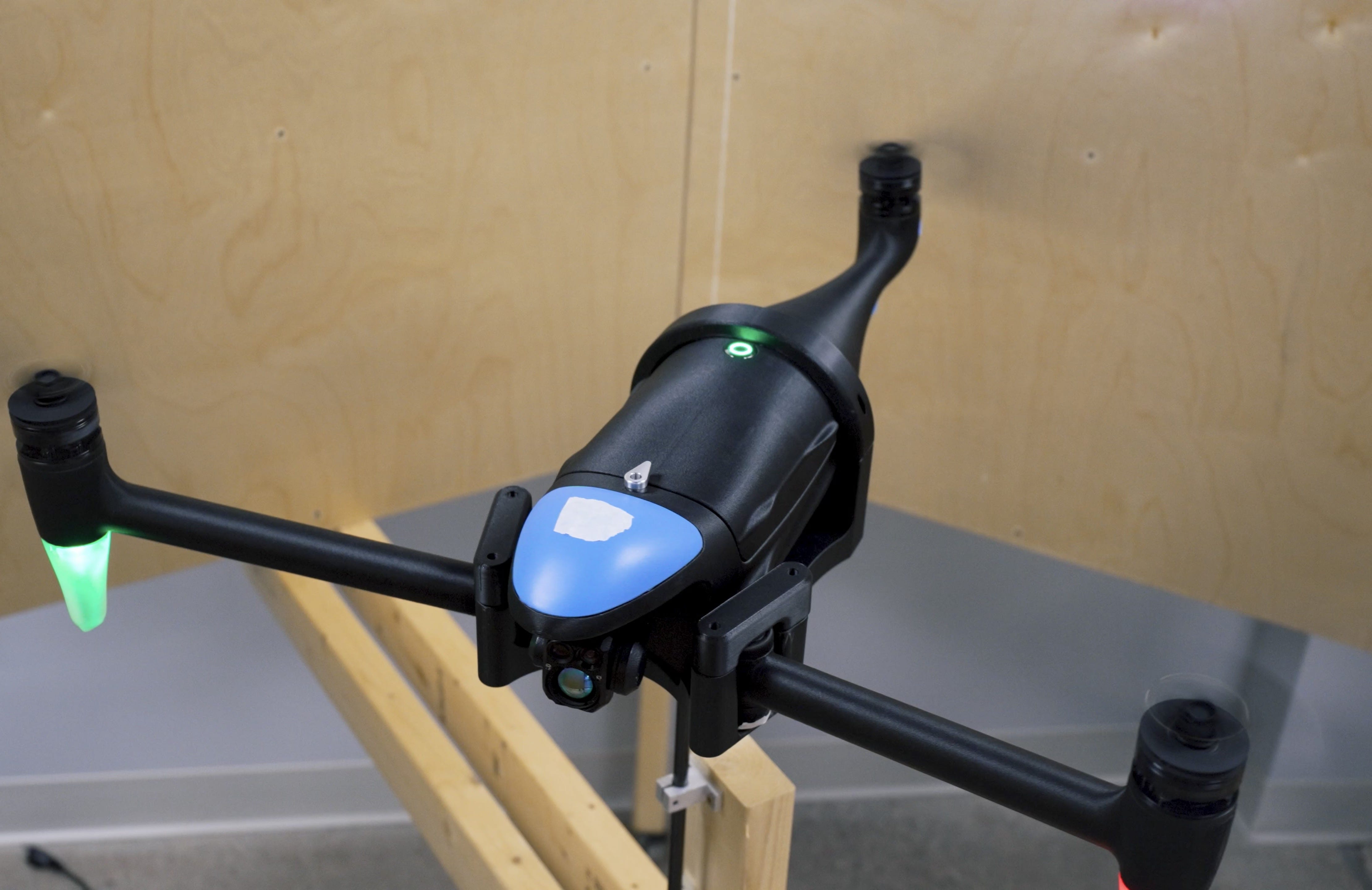
Or could it? There is no certain path from an idea to realization of the idea to a company successfully able to deliver on that idea. Hasting discusses the technological advances of the Angel Aerial Systems drone that have brought it close to the 2-hour goal. (Current clocked flight time on one charge: 111 minutes.) He also discusses facing the inventor-entrepreneur’s continual challenge of wondering and doubting whether the seemingly good idea really is a good idea, and from there whether the idea is viable enough for a business. Order activity suggests the answer is yes in Angel’s case, but getting to this point involved facing serial setbacks and fear. In the video, Hasting describes what he would have done differently in the first year.
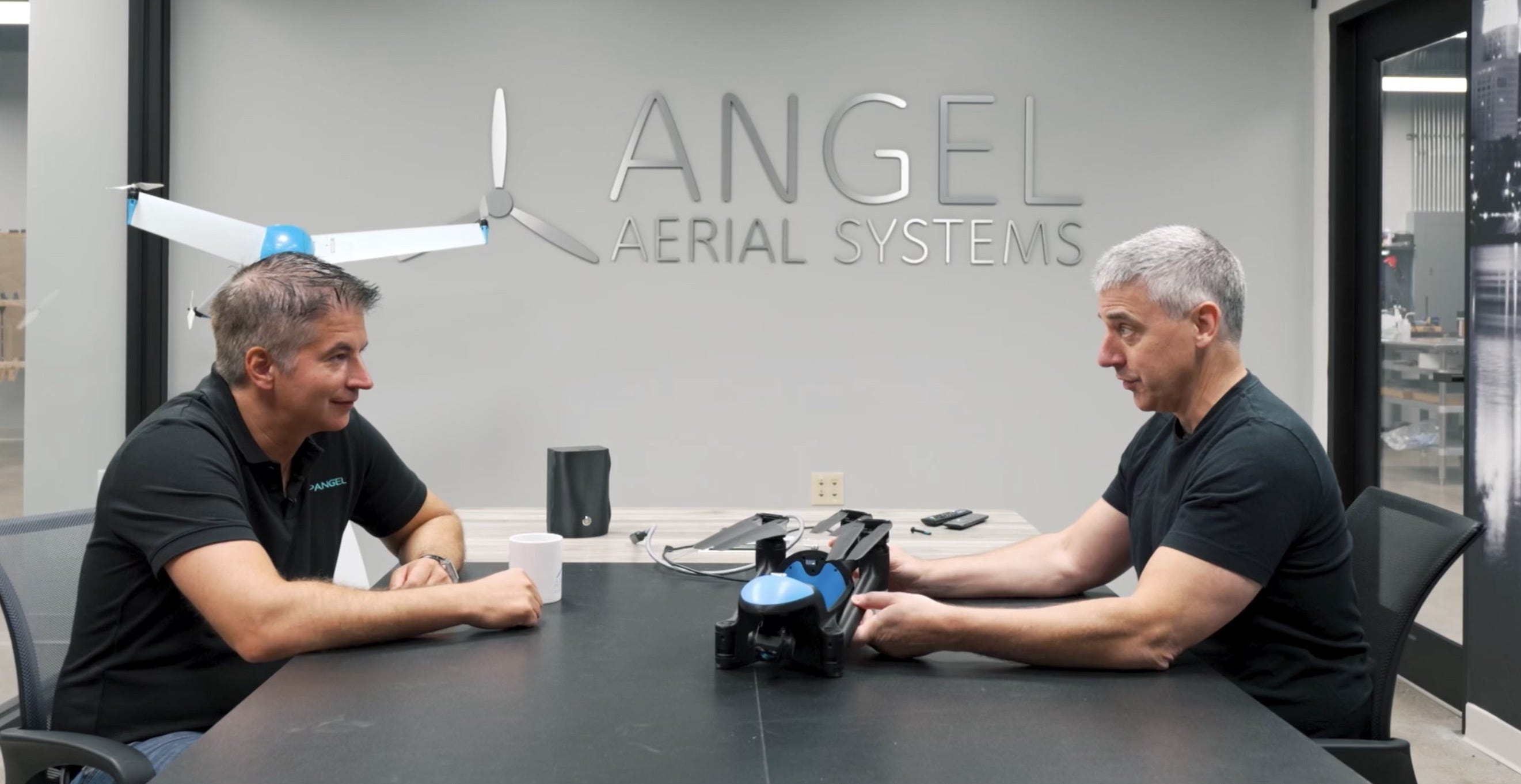
I have covered Angel Aerial Systems before, reporting on the previous (unusual) spinning-airframe design, visible just behind Will in the photo above and seen in action within this article. Angel has since moved beyond this design, but making this weird concept work unlocked valuable technological insight and made the way forward easier by comparison.
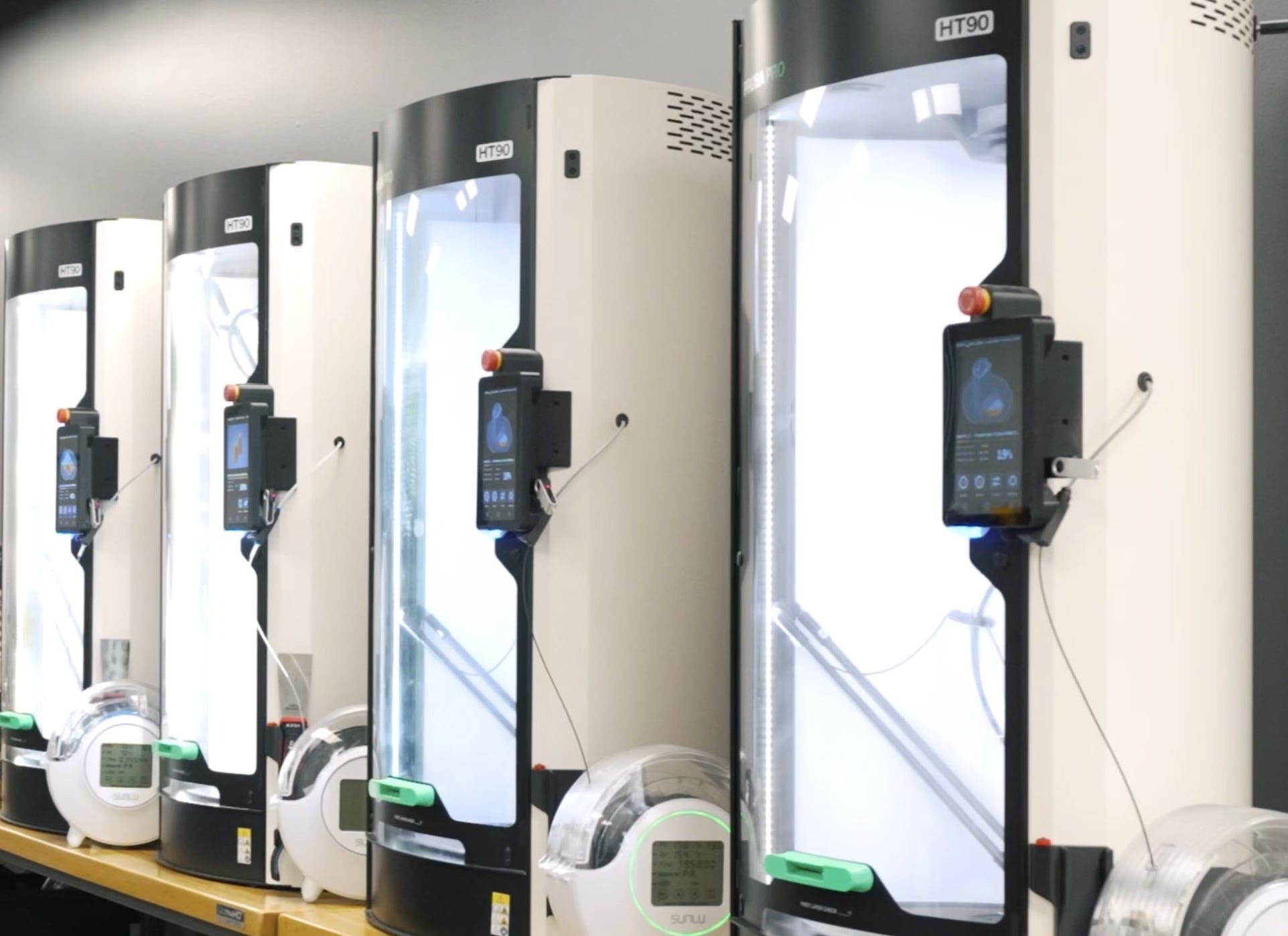
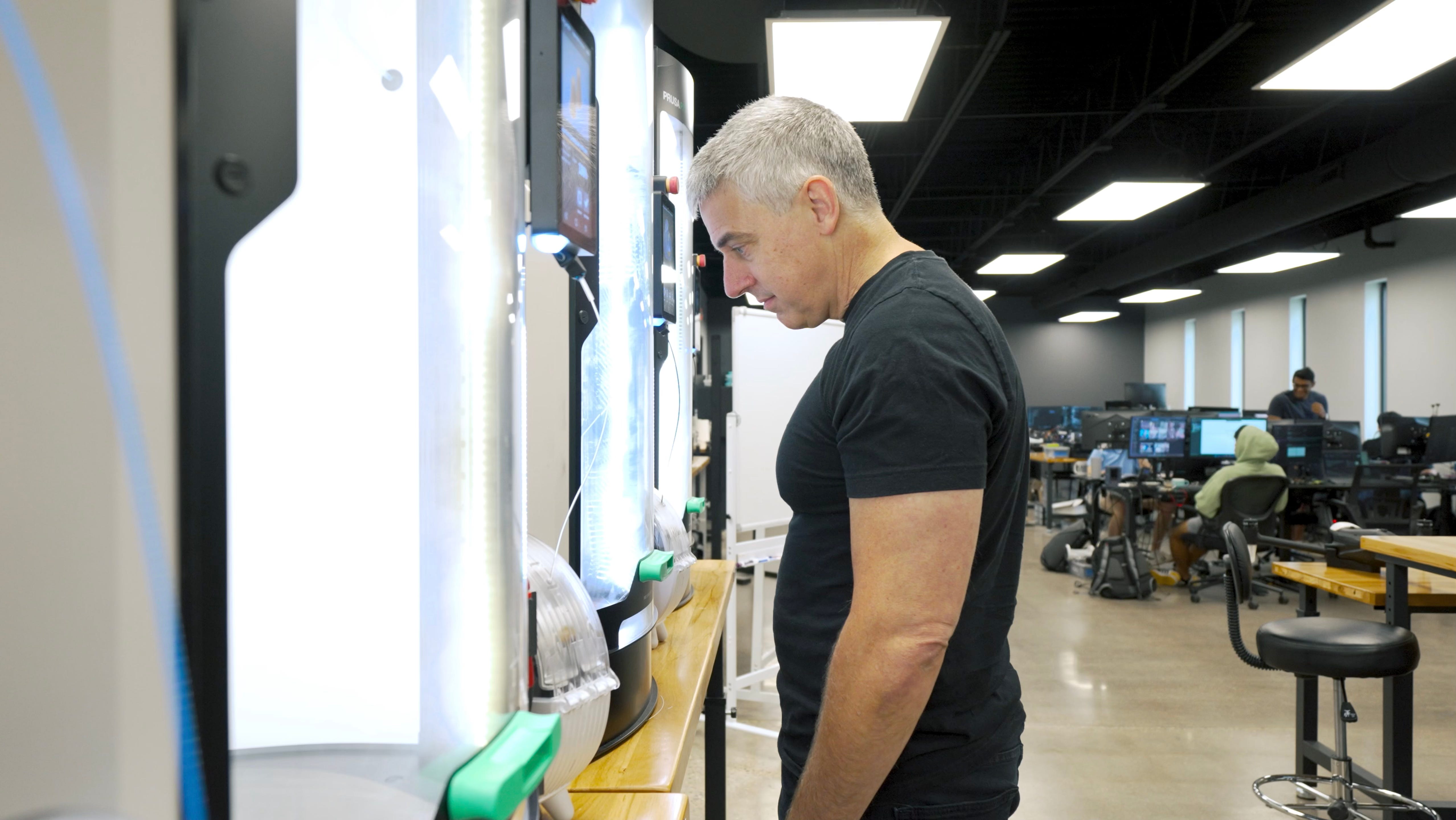
I have also reported on Angel’s commitment to a desktop farm of Prusa 3D printers as the company’s means of full-scale production. The new interview goes farther with this as well, looking at a printed part and detailing the assembly work that follows 3D printing. Angel Aerial Systems truly will have a tabletop factory.
Watch the latest episode of The Z Axis at Angel Aerial Systems: