
For manufacturers, should automation engineering, installation and integration be an in-house competency?
There is very good reason to answer no. A manufacturing organization and its team members know how to produce; they do not necessarily know how to install and optimize capital equipment. Therefore, leave integration to the integrators—the companies that can come to the shop and get a new automated system set up quickly and running perfectly.
But the potential limitation to this approach comes 18-24 months later. What happens when the part family made on that automated system is discontinued or substantially changed?
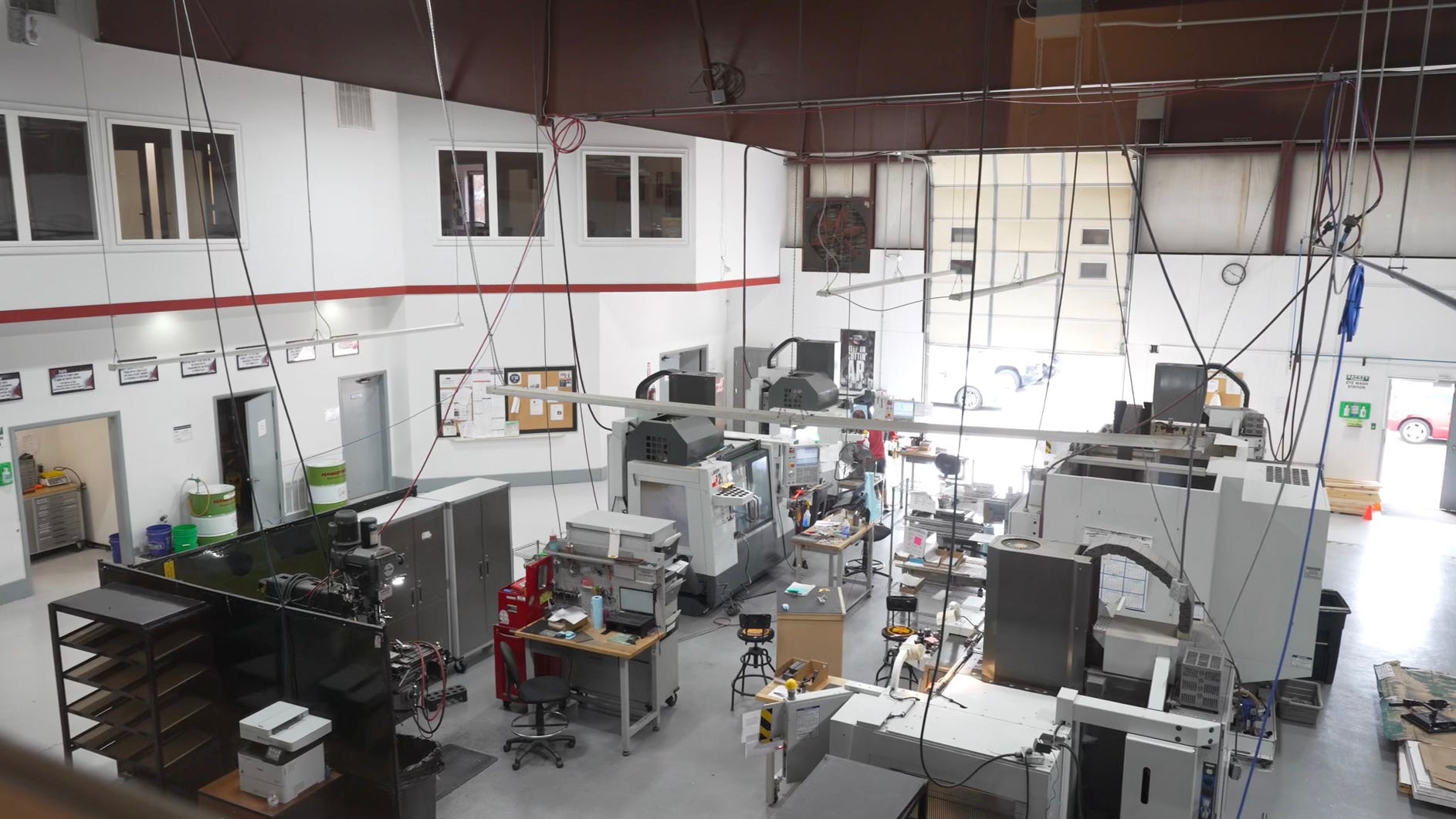
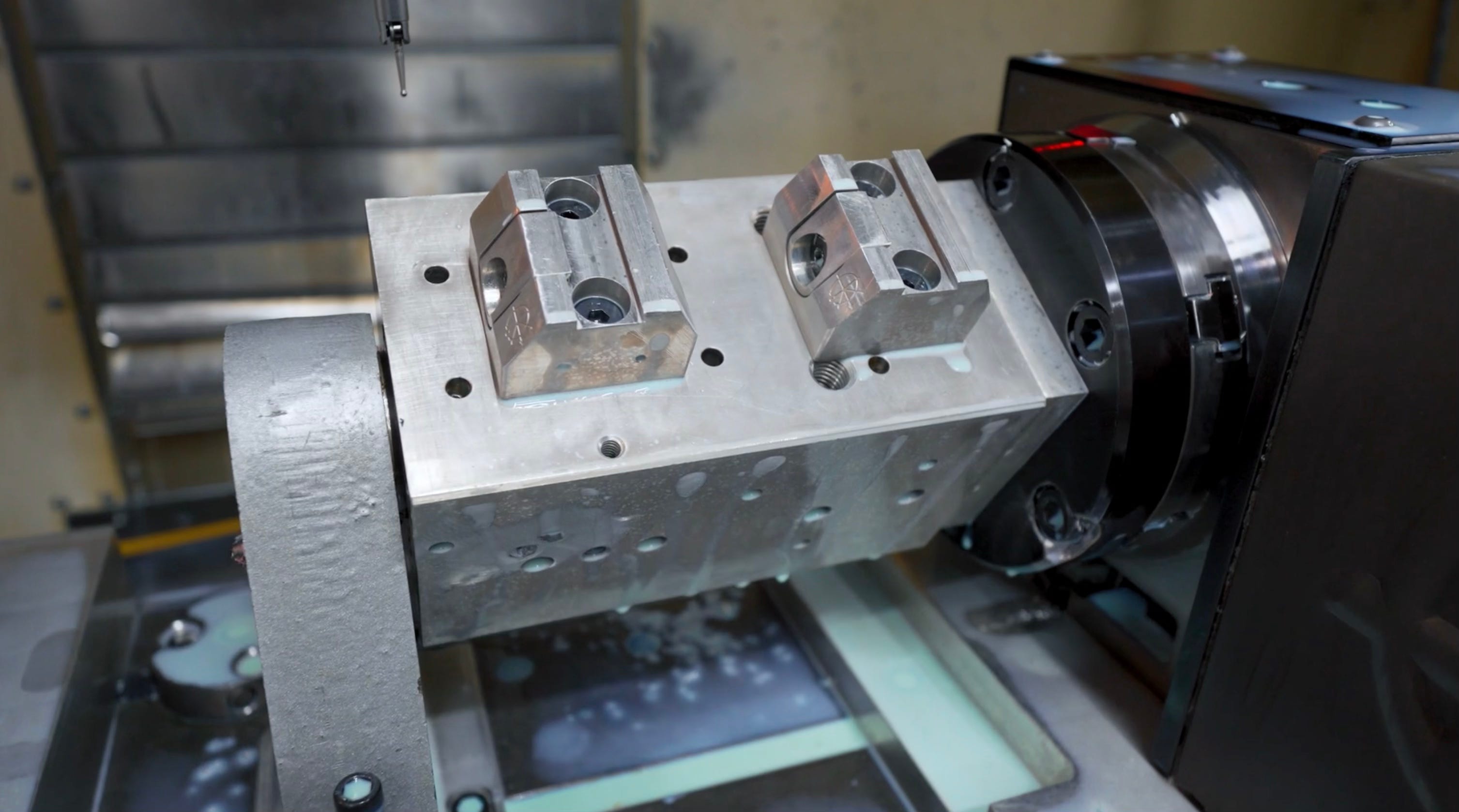
At Galley Support Innovations (GSI), the rotary-axis accessory installed on a vertical machining center to run a particular part lost this role when that part was transitioned to horizontal machining centers. The automation accessory (seen at the top of the page) then was removed from the shop and went to a shelf.
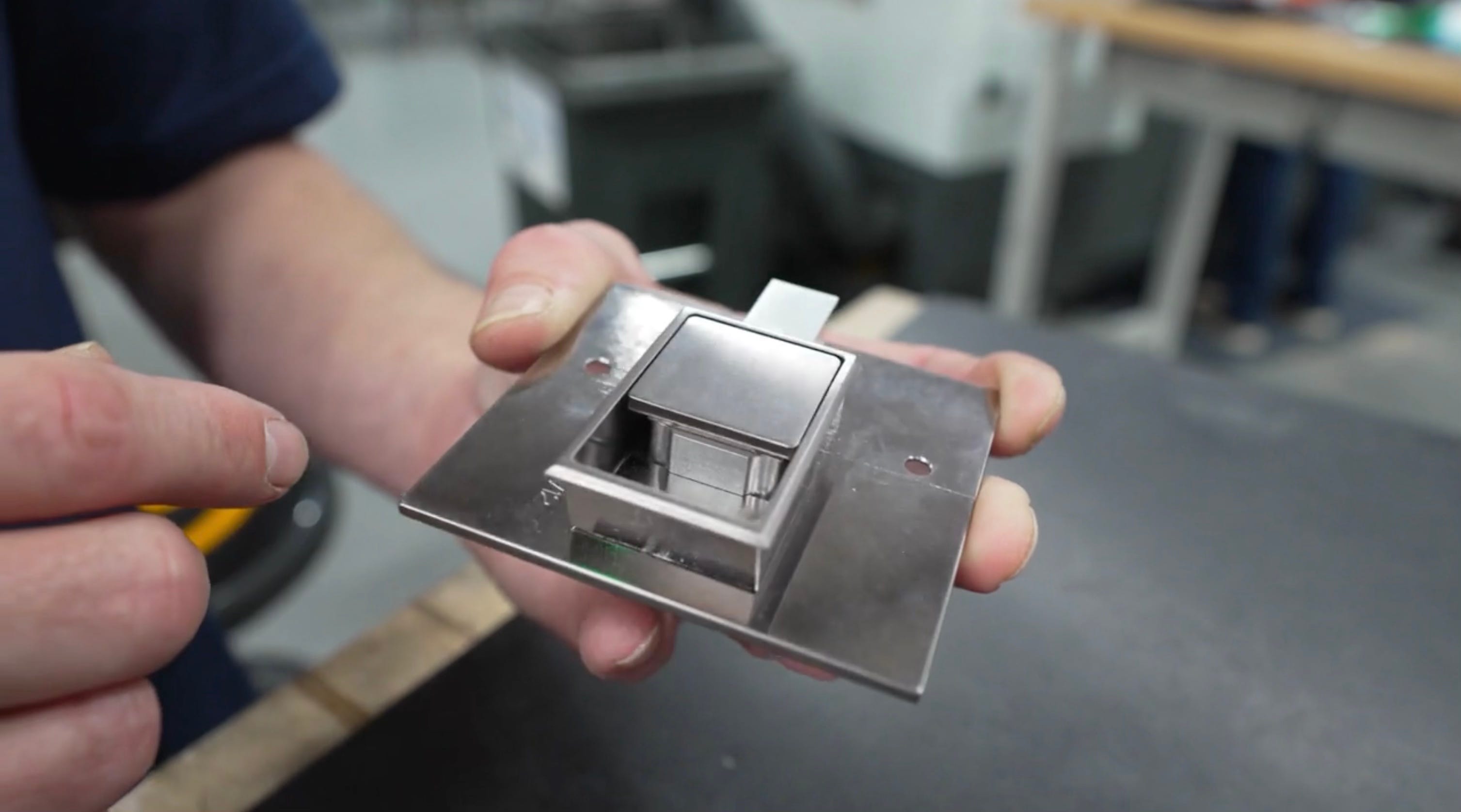
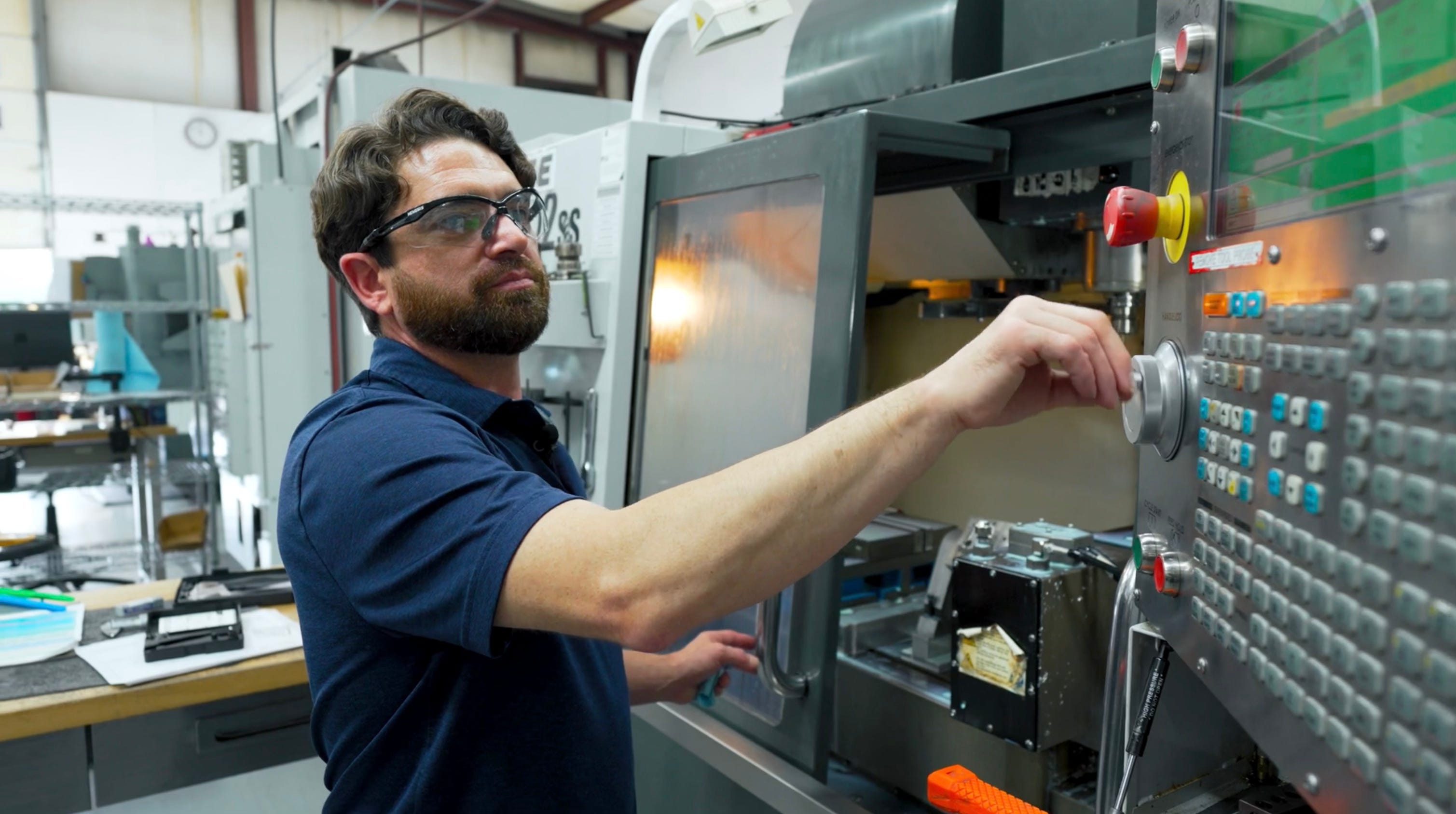
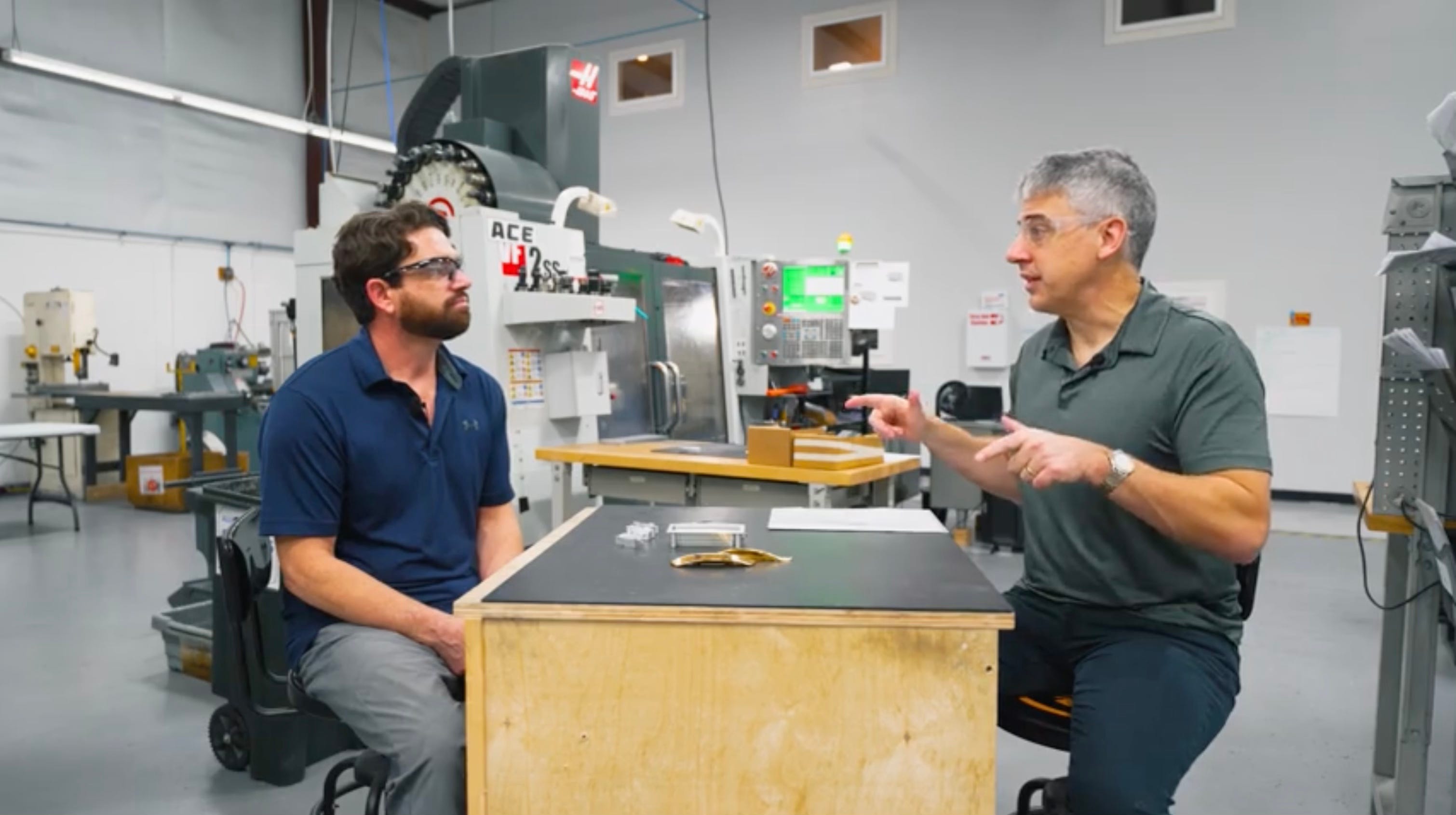
GSI manufacturers hardware for aircraft interiors such as a cabinet handles and latches. I visited the shop to speak with CNC manager and programmer Drew Howanietz (above), who shared the next chapter in the story.
That next chapter demonstrates the value and power of having automation expertise on the team, even to the point of developing that knowledge in DIY fashion. Howanietz spoke with me for The Z Axis.
The rotary-axis accessory was discovered waiting on that shelf. Howanietz and another employee found themselves in the deep reaches of GSI’s stored tooling and hardware. The other employee was newer to GSI. He recognized the accessory for what it was and asked, “Why are we not using this?”
Good question!
A little consideration made clear this asset had usefulness beyond the part family for which it had been purchased. Through resources including YouTube videos, Howanietz began to discover and teach himself not just how to install the rotary axis on an existing vertical machining center, but more critically, how to create machining programs making use of it.
Hand-in-hand with this developing expertise came developing insight about where the capability might go, and what it might do.
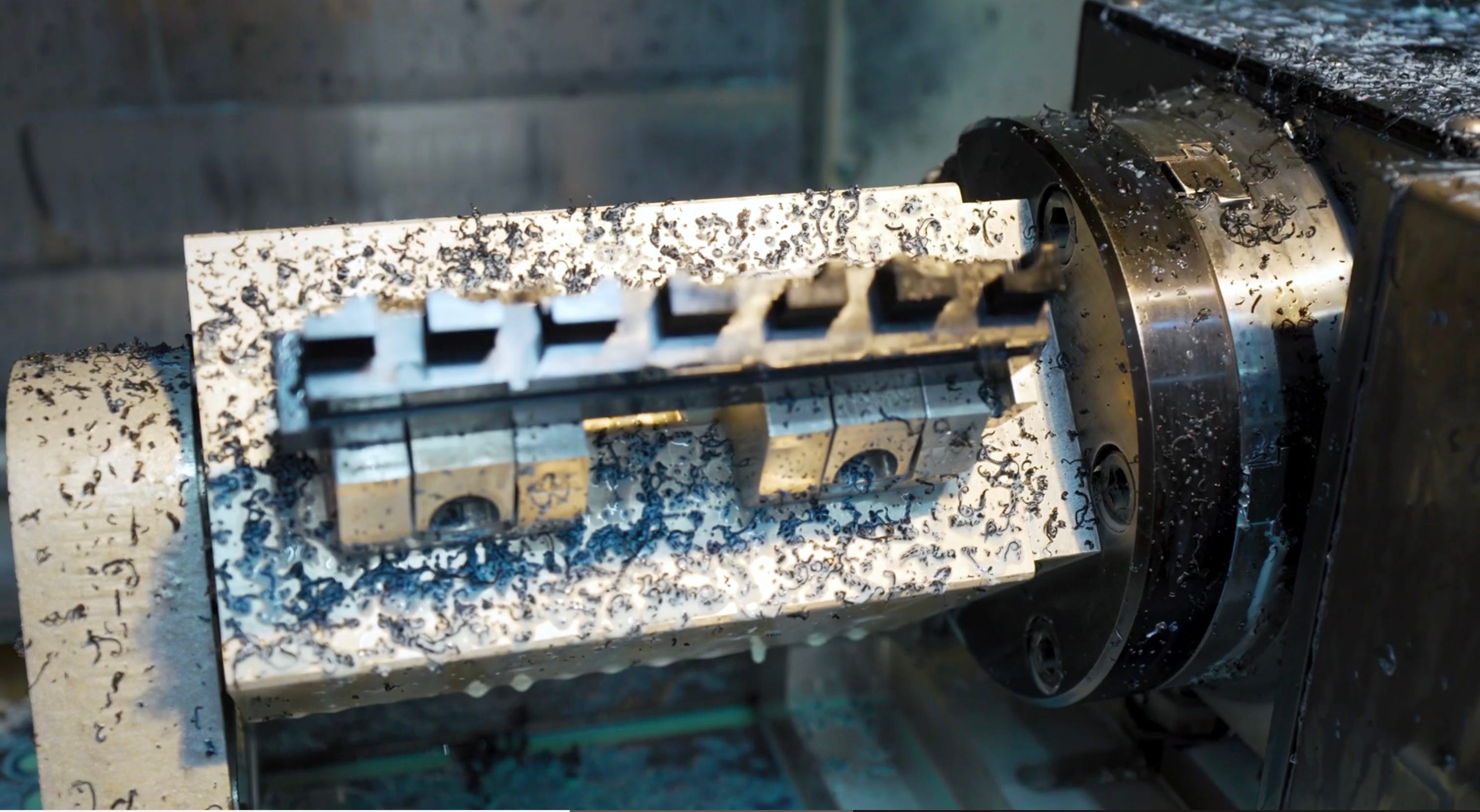
Machining of various part numbers was made more automated through the use of this accessory. What had been multiple setups on multiple machines was consolidated into a machining cycle in which the rotary axis alone does the work of reorienting the part for machining features at different angles. This is the accessory’s role.
And this capability is a foundation, Howanietz realized. GSI is expanding, in need of more capacity, and challenged to find more skilled machining employees to add to its team. The new (or rediscovered) automation capability provided the beginning of an answer. Pairing a robot to the machining center equipped with the extra axis would make an automated machining system capable of running substantial production during nighttime hours with no employees present.
This insight, and this development path for automation, might not have been GSI’s direction if not for the hands-on exploration of automation by the shop’s own team.
Watch the episode: