

The purpose of quality standards is productivity.
That statement seems false. The purpose of quality standards ought to be quality, and holding everyone to the same high level. Standards should be about excellence.
But no. In a capable manufacturing culture staffed by talented, skilled, conscientious team members, everyone is excellent. Or, at least, everyone wants this and aims for it.
The problem is that excellence is subjective. Meanwhile, cost, time, and customer acceptance are the measurable factors by which success is defined. The impulse toward excellence has to be translated into the realm of measurable deliverables, and this is what quality standards do.
The peril of absent quality standards is not poor quality. The peril of absent quality standards is, in a way, too much quality—meaning a process slowed down by misunderstanding and argument among well-intentioned people who see quality in different ways.
I encountered a great story of this. Allied Cycle Works had an inefficient process when its bike painting aimed for individual excellence.

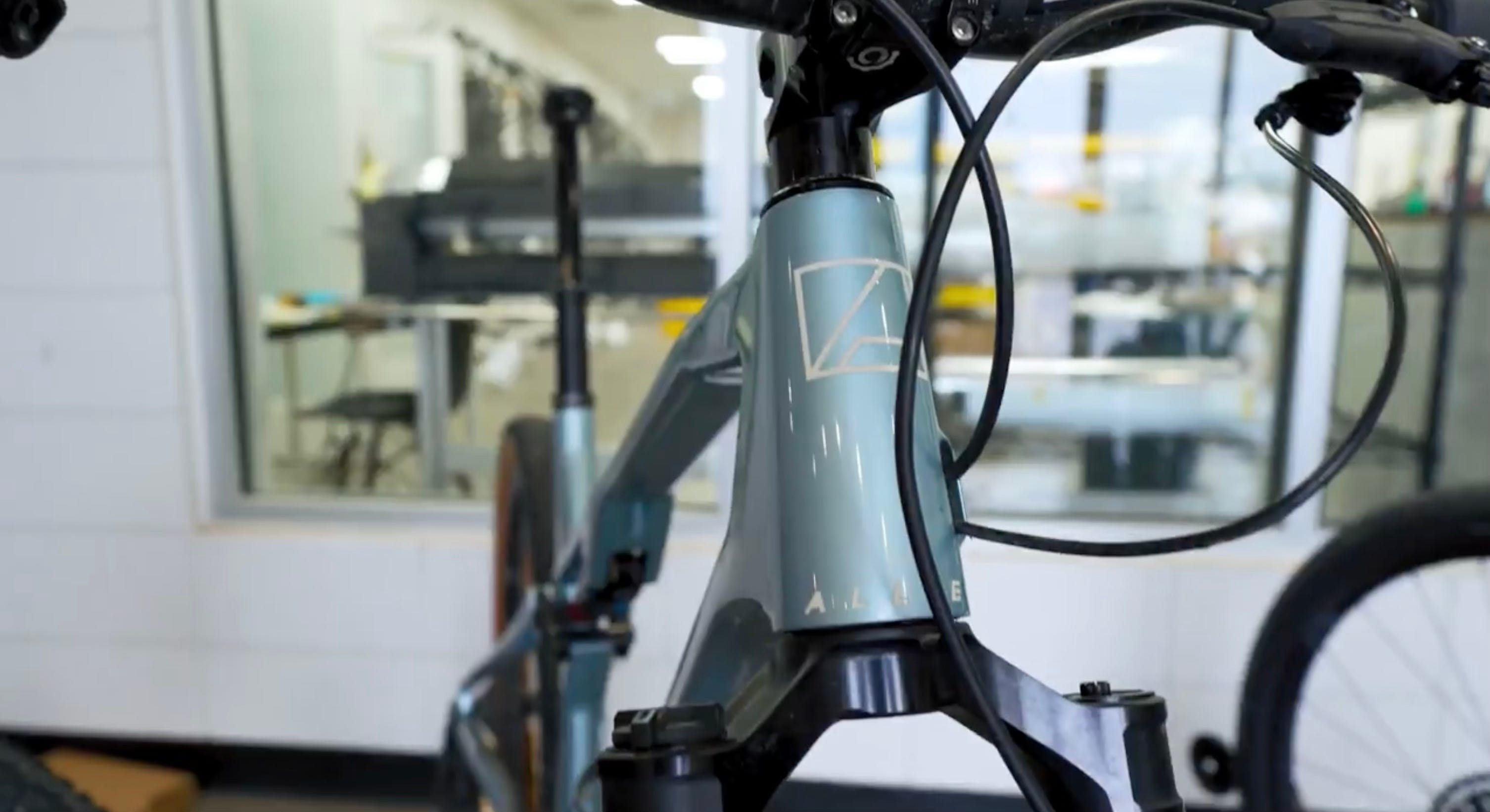
Painting is perhaps the ultimate subjective manufacturing operation. As Allied director of product Sam Pickman explained to me in our conversation, every paint job is imperfect. There is a vast terrain for difference in what level of imperfection to accept.
What defines a great paint job? Everyone has a point of view.
However, once Allied learned how to define paint quality according to an objective standard, arguments ended and productivity rose.
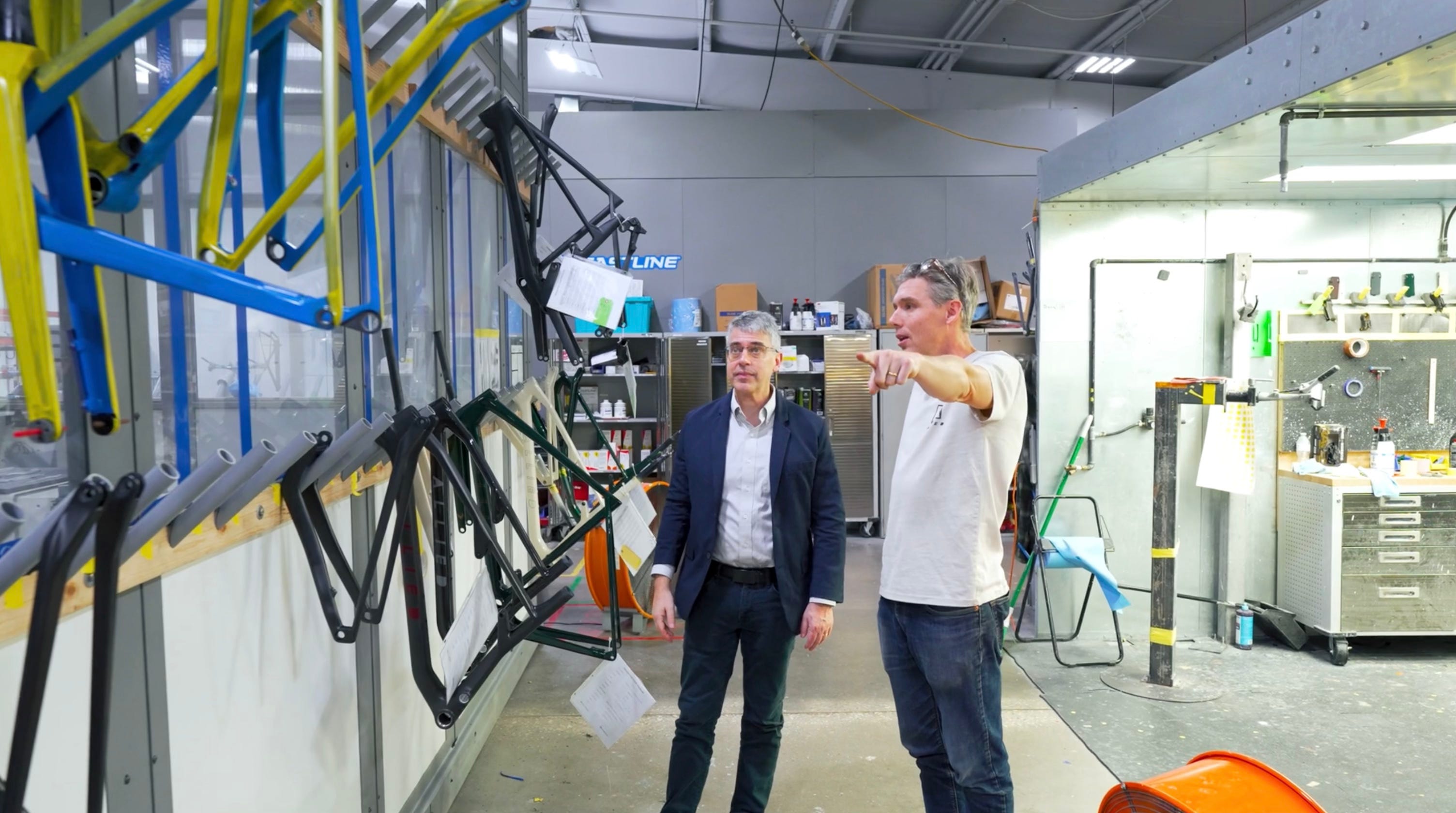
Pickman (above right) describes how the Allied team members created this objective standard for paint. The useful, measurable metric the team found is time spent painting, which differs for bike surfaces with different levels of visibility.
Meanwhile, Pickman also speaks to the larger question: How does a team define standards and get everyone to follow them? This question applies to every organization trying to work faster and more predictably by getting everyone on the same page. Pickman involved every painting stakeholder in the conversation not because of a spirit of inclusion, but because he needed everyone to understand how the quality standard was reached and what its metrics mean.
My conversation with Pickman about how to define and implement a quality standard is the topic of the latest episode of The Z Axis. Watch it here:
This is our second episode with Allied. Check out our ealier episode all about this bike maker’s experience with U.S. manufacturing, and finding the right part of the bike to make in America.
The Z Axis is sponsored by Workforce Factor, a customizable onboarding system for industrial employees. Among other things, it provides a way to quickly bring new hires up to speed on the special, internal quality standards unique to a particular company. Learn more at the link below.