
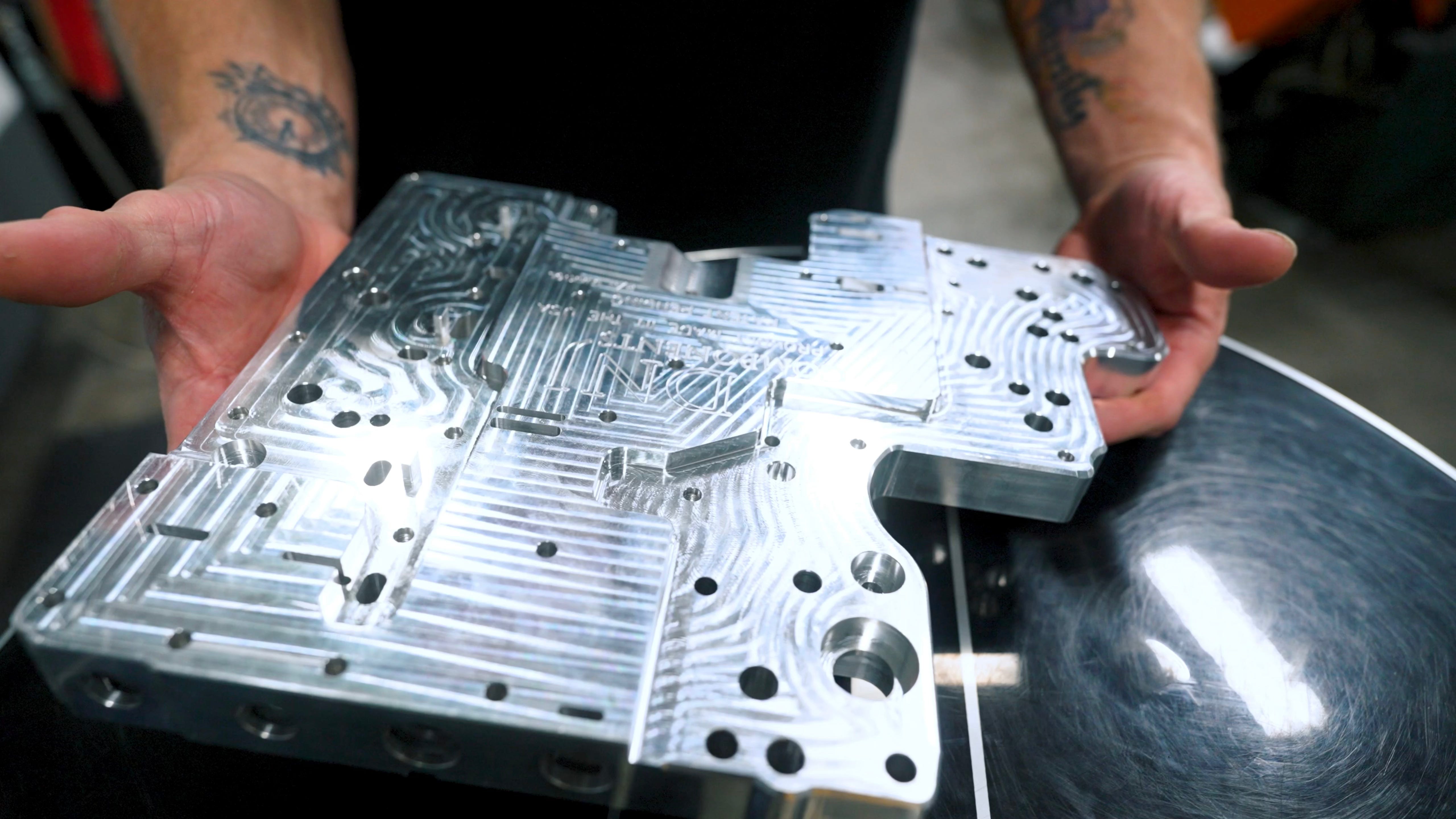
In Walnut Grove, Missouri, I found a story of vertical insourcing by a small manufacturer that seemed to capture in miniature the value of domestic manufacturing in the United States.
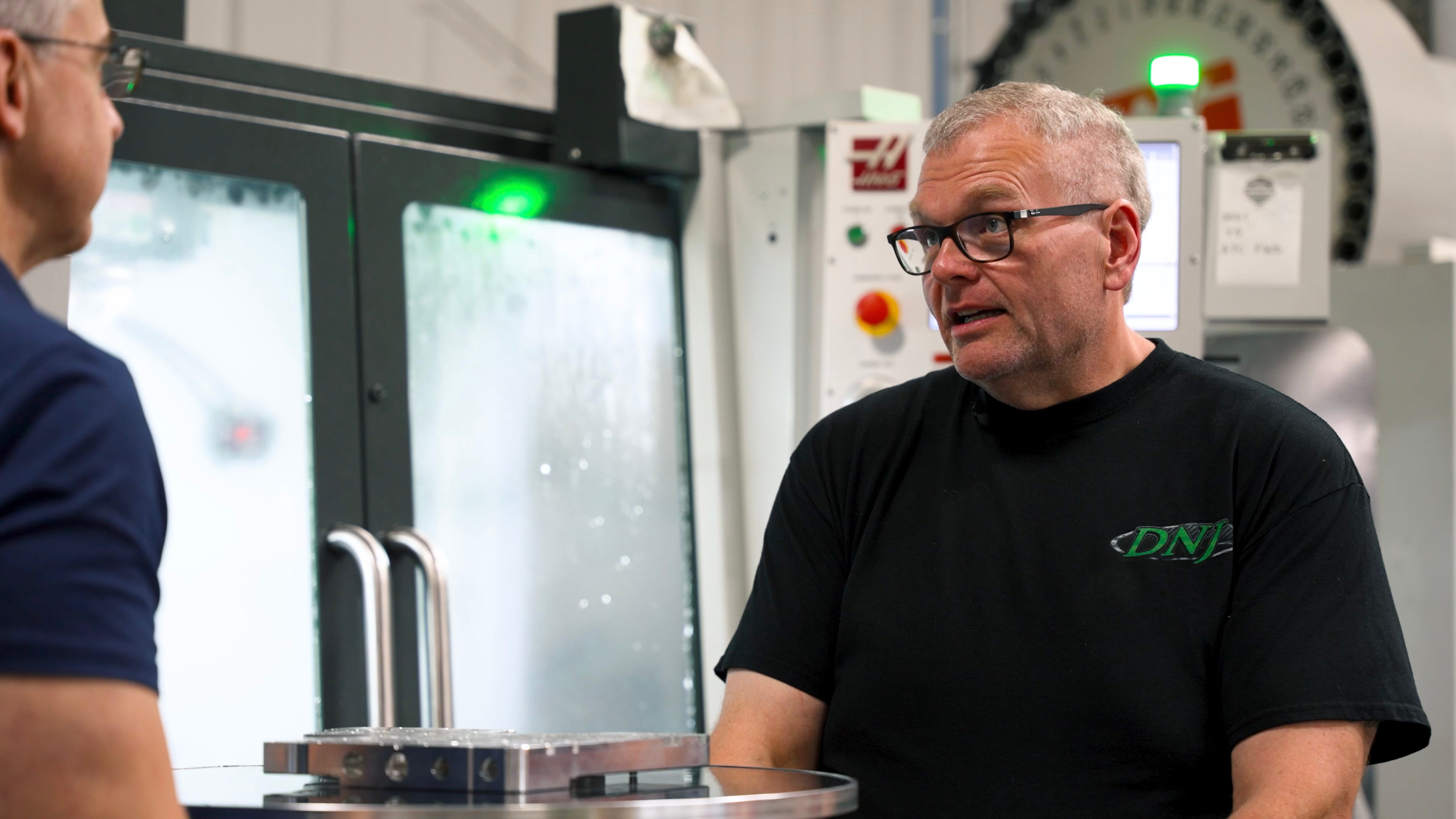
David Gott designs aftermarket auto parts supplied by his company, DNJ Components. And he believed he could develop a replacement valve body for a GM 10-speed Allison transmission that is superior to the original component.
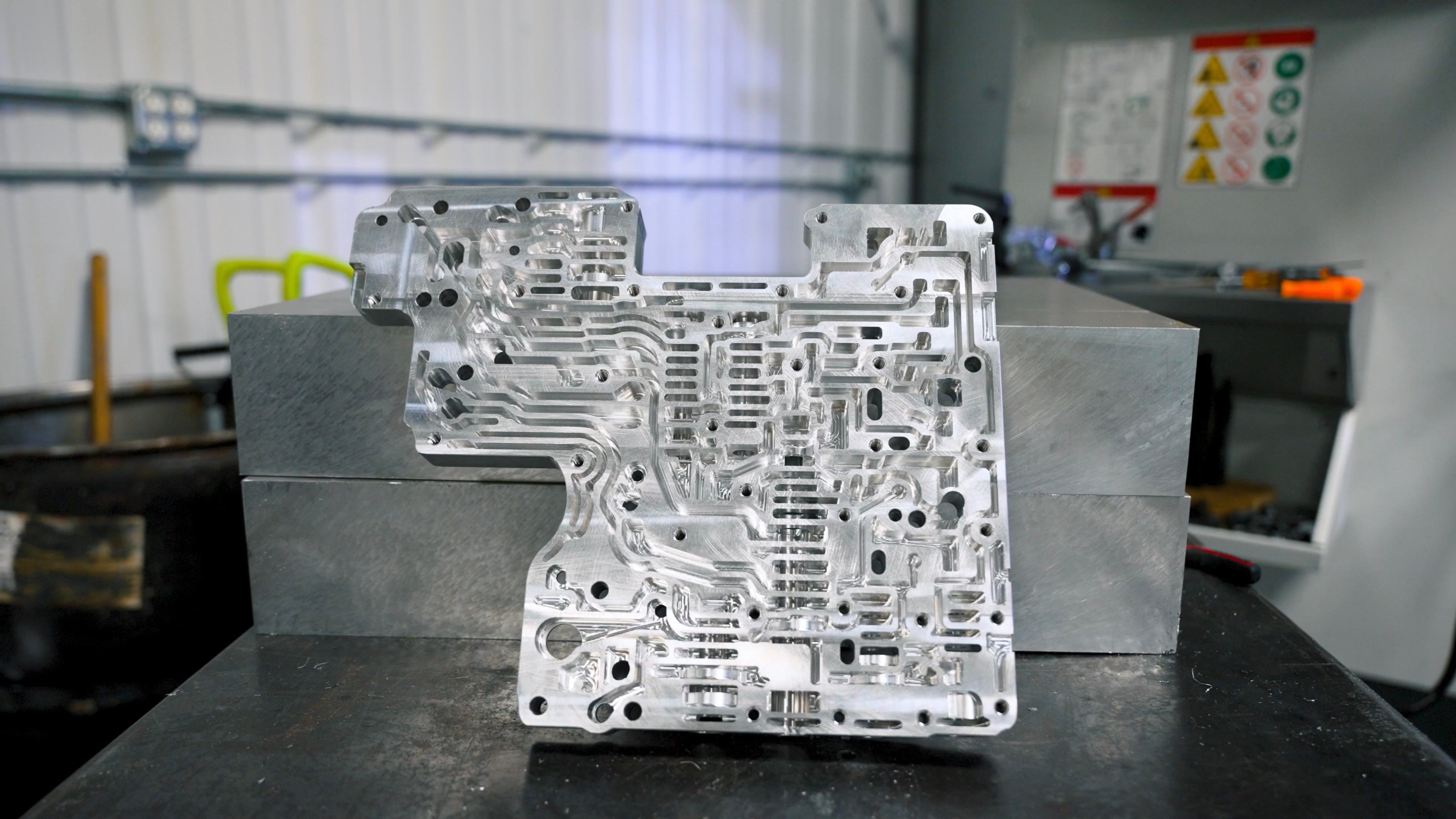
However, to call this a complex part is a crazy understatement. The photo above provides a sense of the geometric detail. Narrow tolerances throughout the part ensure the tight sealing necessary for effective operation within the transmission assembly.
Development involved a lot of failure. A lot of trial and error. Total development time spanned 18 months. And at one point, it was necessary to create slightly different versions of the part 37 times within 17 days.
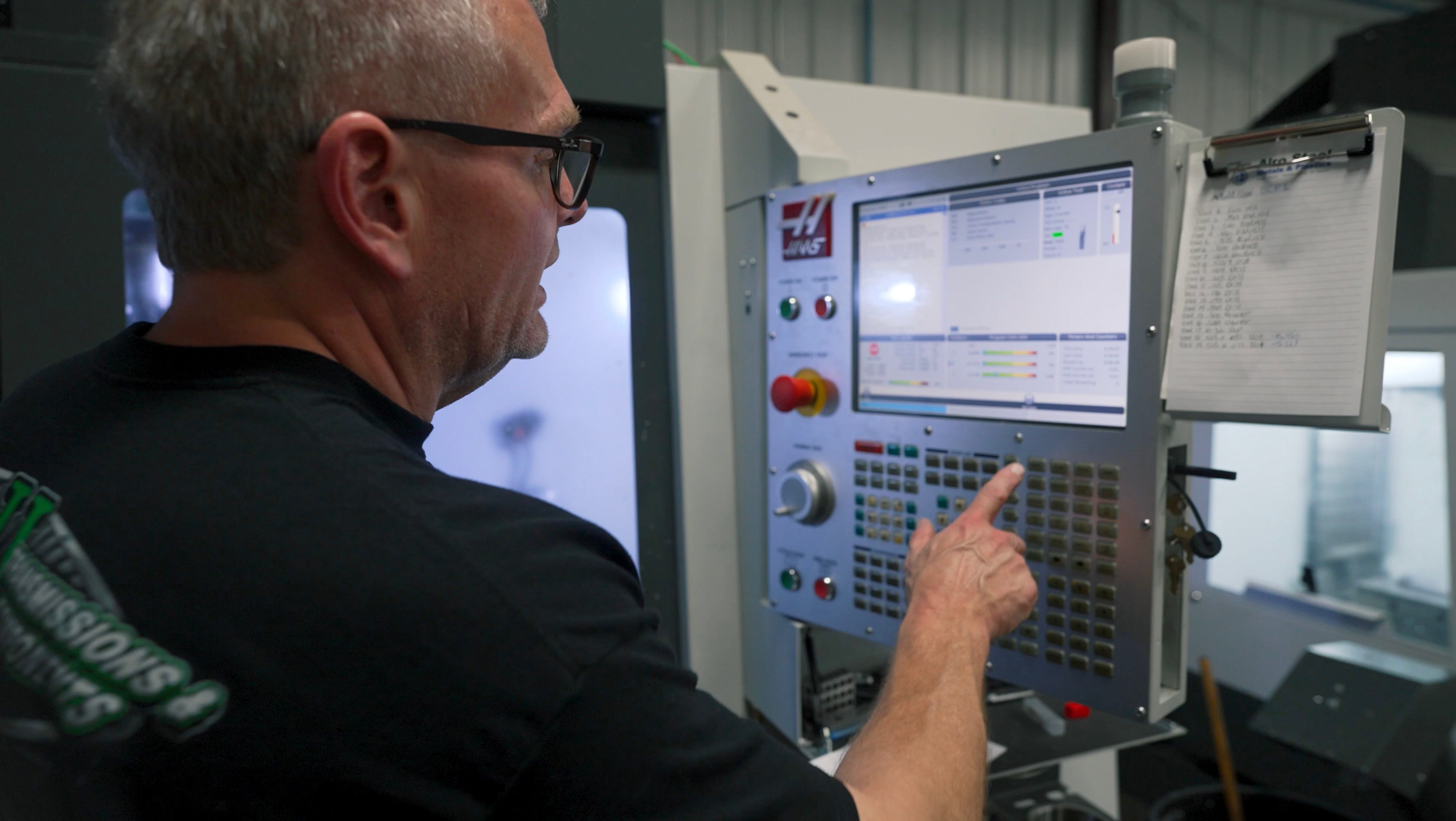
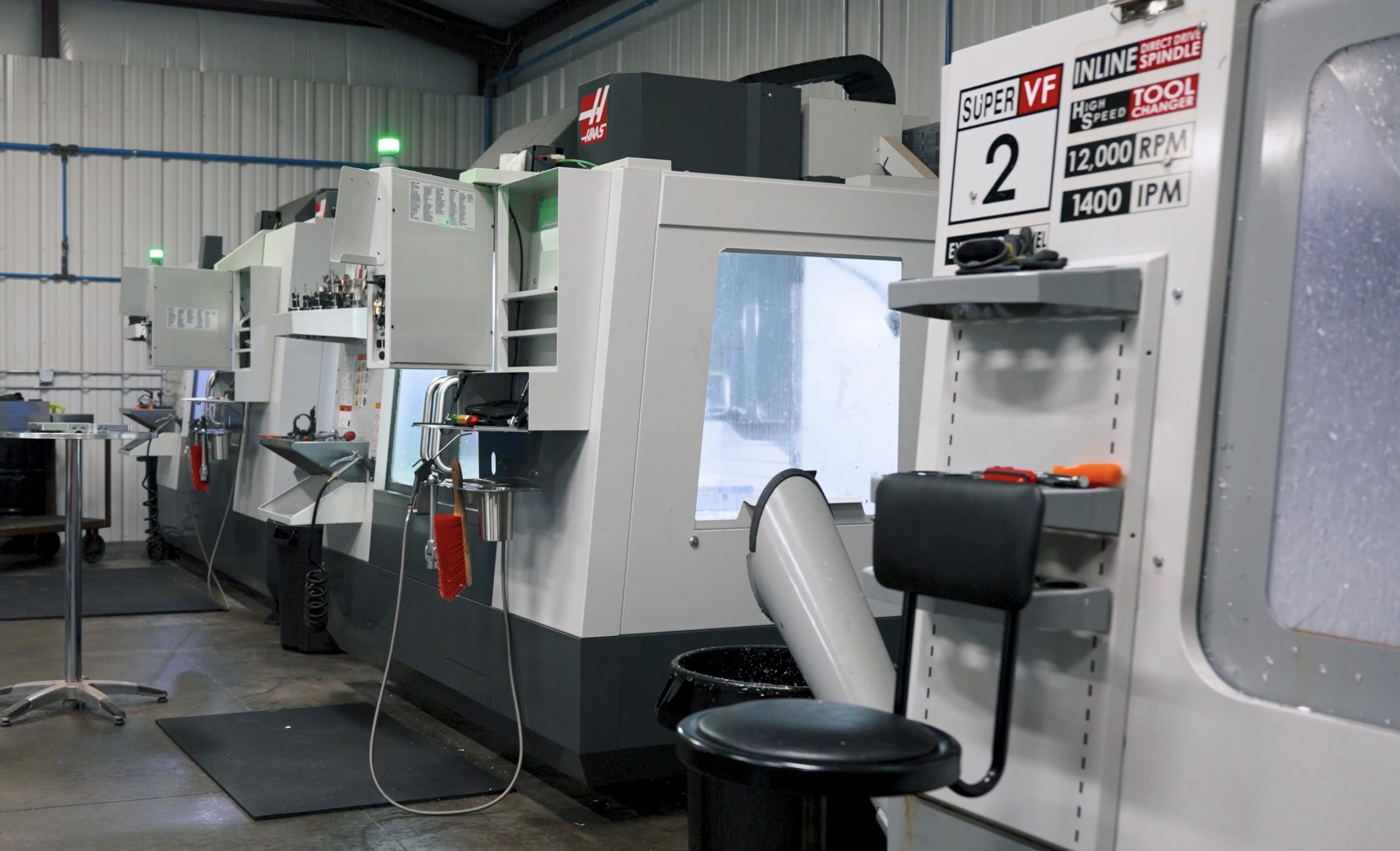
And this is the aspect of the development work that could not have been done without in-house machining, a capability DNJ Components at one time did not have. Gott formerly relied on suppliers, independent machine shops, to make his parts. The good shops were busy, generally requiring DNJ Components to wait its turn. When the company brought machining capability in-house, this move amplified the ability to innovate. A part as complex as the valve body would never have been conceivable if every version had to be sent out, if every iteration required days or weeks of waiting.
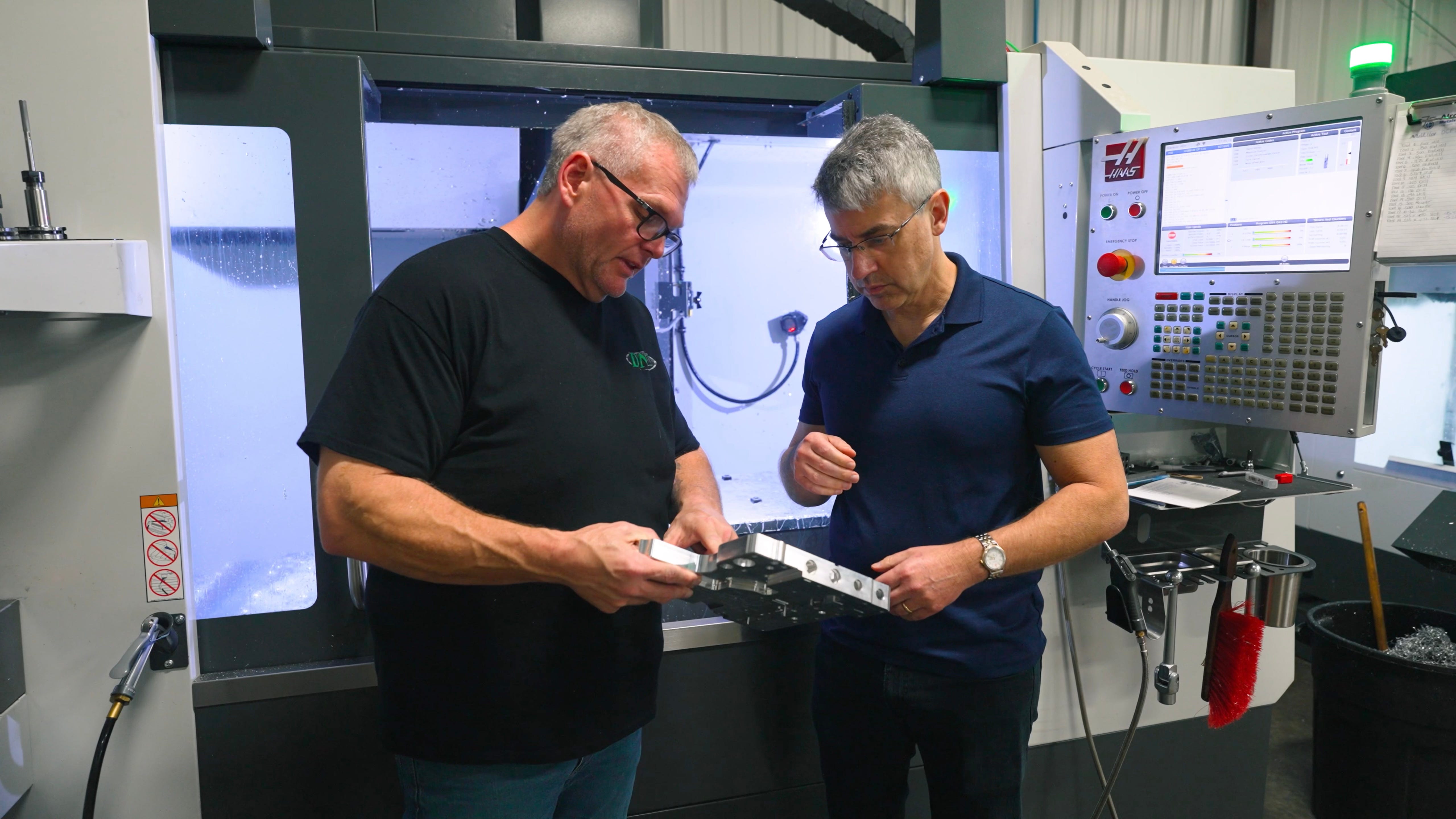
Gott talks to me about all of this, including the story of the incredible a-ha moment of finally getting the last precison feature engineered and machined correctly on the valve body, in the latest episode of The Z Axis.
I mentioned the United States. The phenomenon Gott experienced unarguably also occurs at scale. Because ideas eventually have to be made real, and because valuable engineering ideas generally entail precision or complexity, manufacturing capability is a vital enabler to innovation. Manufacturing and innovation go together. Just as a small inventor is limited in his ability to innovate if another source does the physical creation, a nation is limited in how far it can innovate if it hits the limits of its available capacity to produce. One of the immeasurable values of having manufacturing close is the ease of iteration that enables and leads to better ideas.
Watch the episode here that explores all of this:
Today, DNJ Components runs four CNC machining centers from Haas Automation, mostly for recurring part production to stock inventory and fill orders, but also for iteration as needed as Gott continues to develop product. He knows transmissions but did not come to this work knowing machining. Distributor Phillips Commercial gave him valuable help in learning how to program, set up and run machining centers. Thank you to Philips for making the introduction to David Gott.