
It was not that long ago, no more than 25 or 30 years in the past, when shrink fit toolholding for machining was still a novel toolholding option that had to be explained. Today machine shops use it routinely, and now their use of it may be changing.
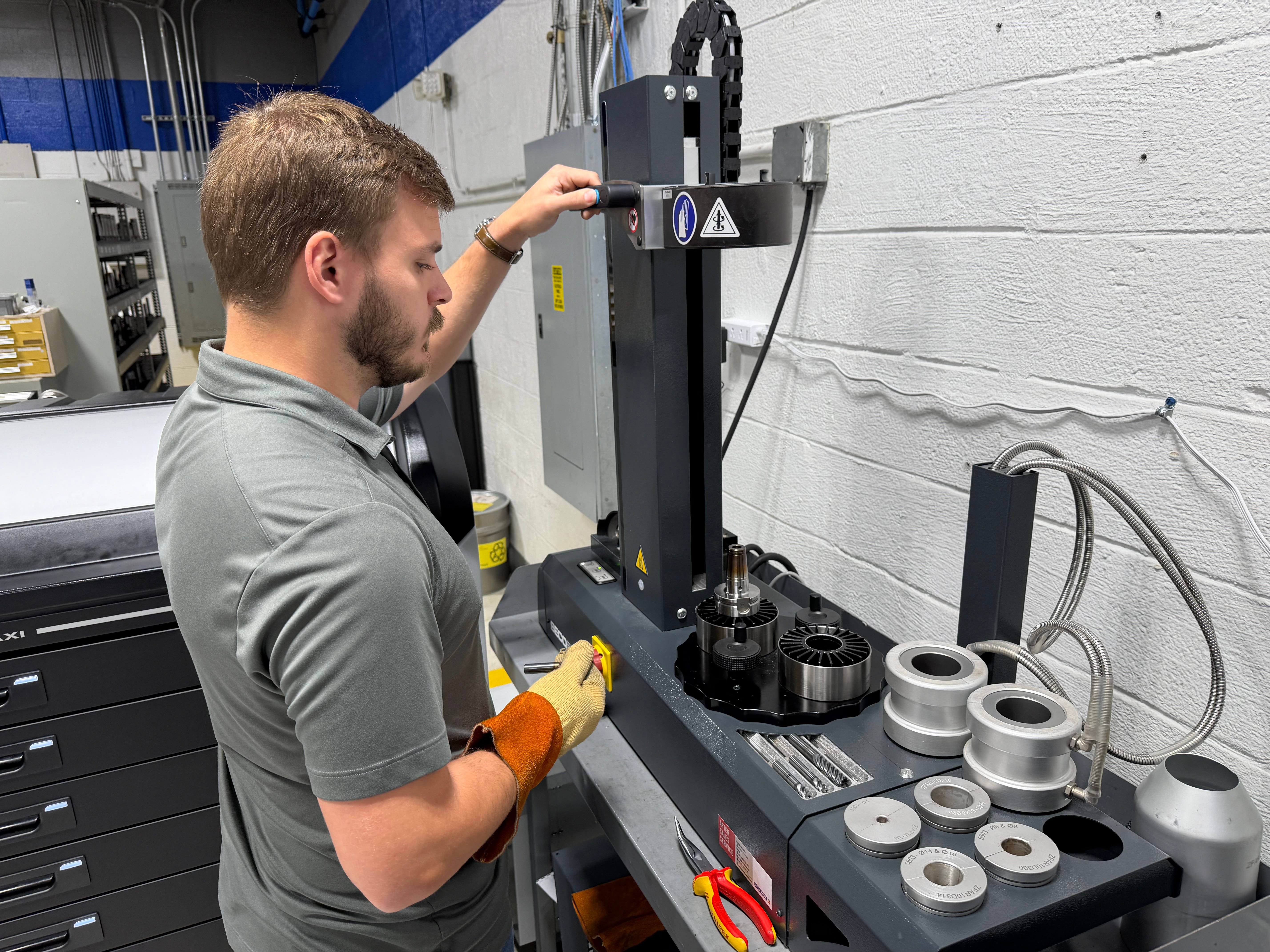
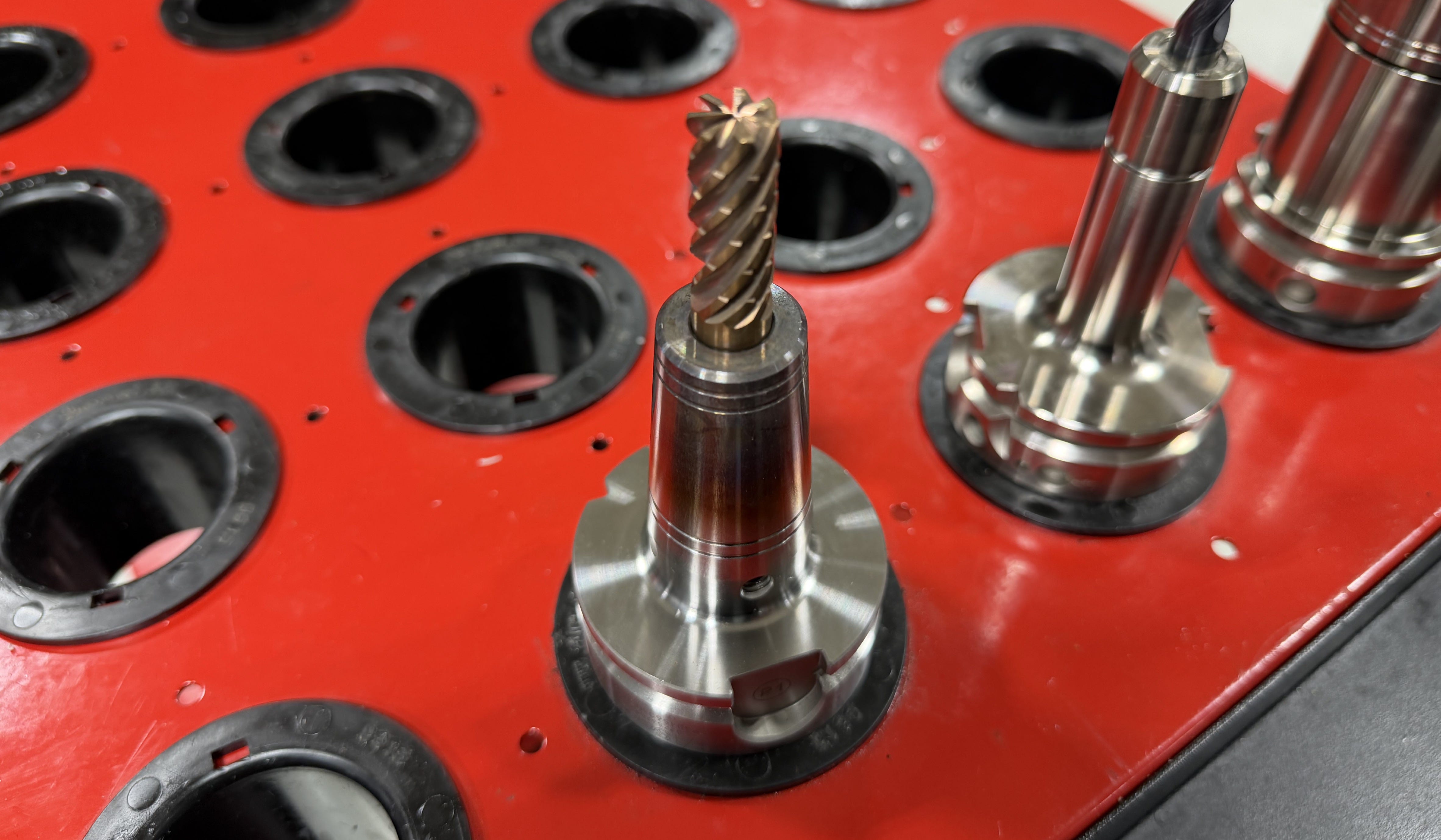
The toolholder is the hardware piece in machining that holds the cutting tool so the machine tool spindle can hold them both. In a shrink fit toolholder, thermal contraction rather than mechanical clamping does the holding of the tool. That is, the shrink fit toolholder sleeve is heated so it expands and its bore opens up, allowing the shank of the tool to be inserted, at which point the cooling toolholder contracts and clamps the tool tightly. This expansion and contraction is highly repeatable, allowing the tool be held both rigidly and with tight concentricity.
Shrink fit toolholding works so well, and with such ease (once the operator gets used to simple safety precautions such as wearing gloves) and with relatively low cost, that shrink fit became commonplace in many machining facilities not long after its introduction. In some machine shops, shrink fit became the way cutting tools are held, used for every tool except those with an unusual size or application requiring some different toolholder choice.
But now, the place of shrink fit toolholding might have evolved again. I see this in Advance CNC Machining, a machining provider in Grove City, Ohio, focused on four- and five-axis machining center work. In the past, Advance CNC used shrink fit toolholding more routinely. Two factors have changed this. One is the improvement in collet toolholders, the chief mechanical clamping alternative. The higher-end collet toolholders have improved to the point that their concentricity in clamping tools rivals that of shrink fit. But perhaps the more significant development is the change in the nature of machining. For Advance CNC, and for other machine shops, a steadily increasing share of machining involves high-spindle-speed milling at low depths of cut, rather than slow hogging at heavy engagement. The faster cutting increases the chance vibration might be an impediment to effective cutting. The rigidity of the shrink fit connection is a drawback in some of these cases, because the collet flexure and weight distribution of the collet toolholder together provide for a damping effect often useful at higher spindle speeds.
Advance CNC is still a routine user of shrink fit toolholding, but the application is focused now. The uses of shrink fit include high-force milling applications, small-diameter tools, and long-reach applications taking advantage of shrink fit’s slender profile.
I talk more about all of this in this video filmed in Advance CNC’s toolroom. A demo of shrink fit can be seen in the video as well: