
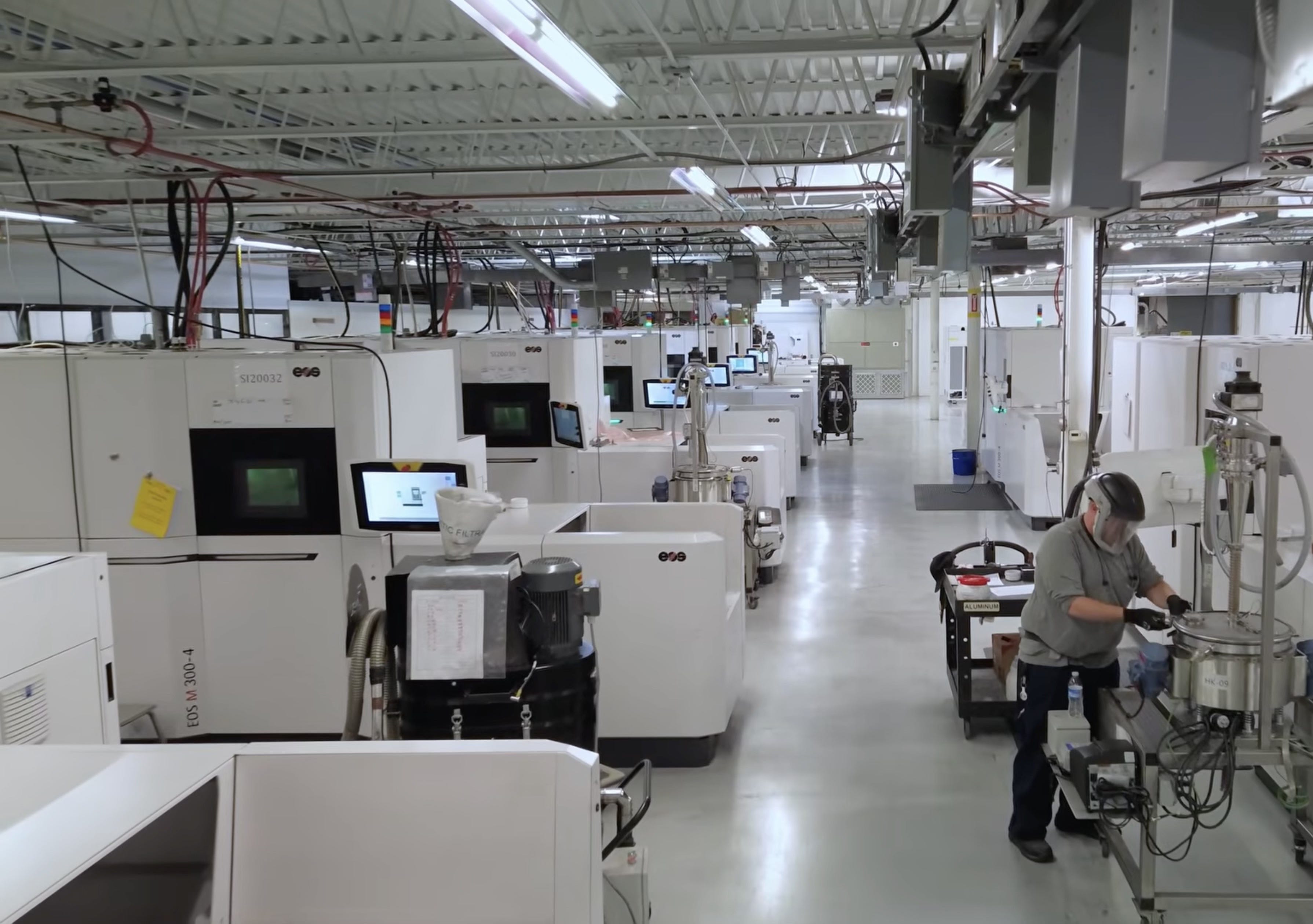
I have made visits to Incodema3D spaced seven years apart, in 2019 and then again recently in 2026. The interlude, and the comparison between these two visits, has given me a measure of how far additive manufacturing’s opportunity and acceptance have advanced. Incodema3D is the Ithaca, New York, contract manufacturer using laser powder bed fusion (LPBF) additive manufacturing to make parts for major aerospace and defense companies, among others.
In 2019, there was a lot of open floorspace. Some additive machines were installed at rakish angles to help fill out the facility. Most of the work the company was doing at that time was development aiming at future production.
In 2026, the development is done in many cases. The production has come, and so this time I found a packed facility rather than a spacious one. The site Incodema3D moved into in 2015 with two metal additive machines now hosts 50 metal additive machines (and more on order that may have arrived by the time you read this) plus around 40 CNC machine tools.
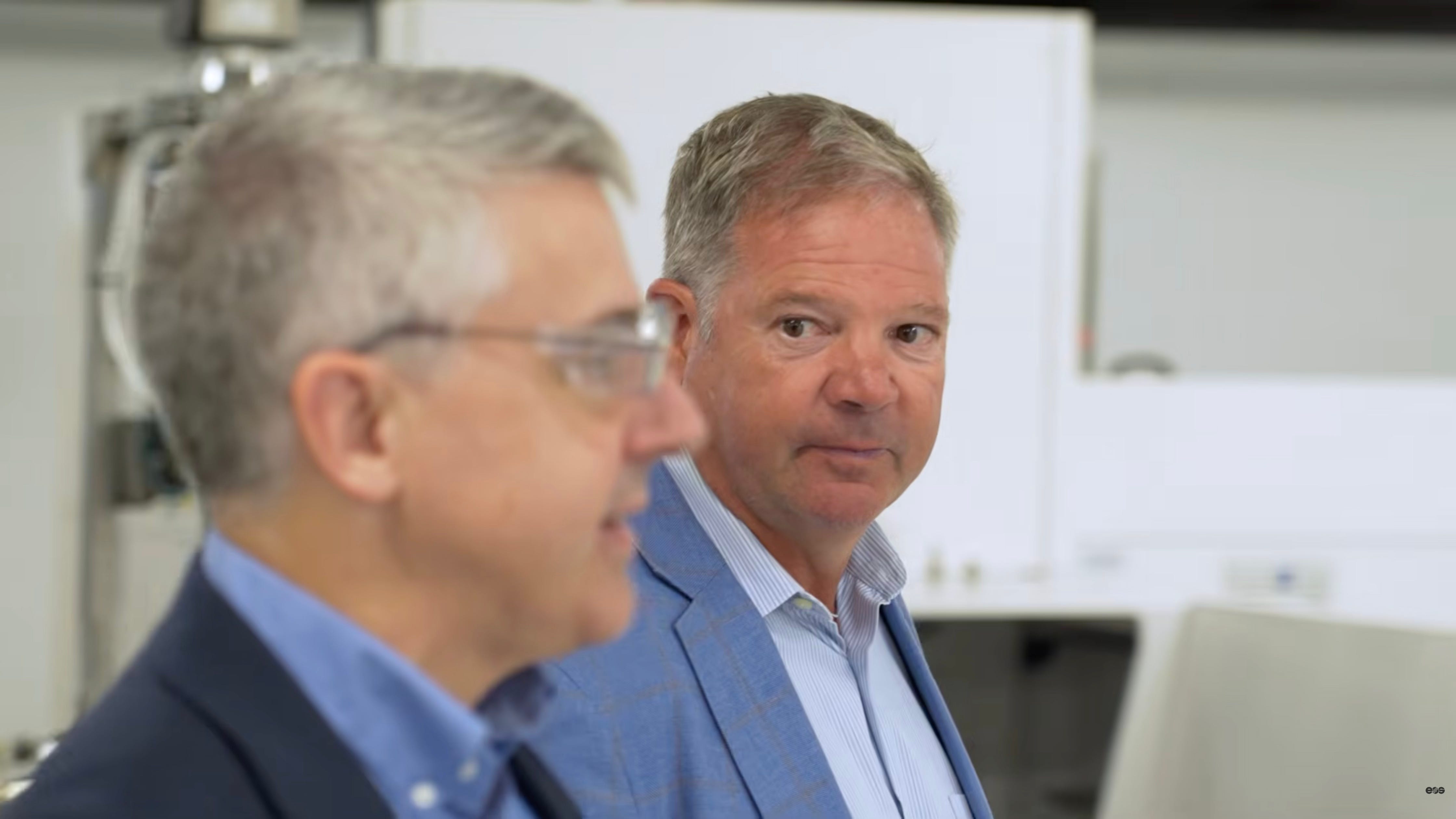
I toured Incodema3D with President and CEO Sean Whittaker and other members of the leadership team for a video I created with EOS about Incodema’s progress to date and (arguably) the company’s arrival. Watch the video below. What once was primarily an engineering development company for additive manufacturing now is primarily a production house built on additve—which was the aim and promise all along.
The video brings out several meaningful points about how this happened, including these:
Early high-value additive parts were so pioneering that the development work in some cases stretched to a decade. It might have seemed during this time that some of these parts might never have been finalized for production. But in the end, there was a difference between 10 years and never, and both Incodema3D and its customers persisted through these projects long enough to see the other side of that difference.
Some of Incodema3D’s customers most committed to additive manufacturing developed the capability themselves on their own machines while continuing to work with Incodema3D as a supplier. Rather than being redundant, this parallel exploration proved invaluable. The customer was developing the techniques, expectations and even the language around LPBF that enabled more sophisticated exploration of the work. Incodema3D was able to do more as its customers knew more.
That knowledge of the use and promise of additive manufacturing has advanced rapidly. Another difference between 2019 and 2026: Where design optimization and part consolidation once were the hidden possibilities of additive that Incodema3D often had to reveal and explain, today these promises are understood and pursued with less guidance. Increasingly, customers arrive with parts that have already been designed to make use of additive and could not be made any other way.
Additive today is valued as a supply chain alternative alongside other processes. The increased emphasis on supply chain resilience and redundancy favors this. Many critical parts require multiple supplier pathways as a safety measure to assure availability. When this is the case, qualifying multiple foundries (for example) is not that much less costly than qualifying one conventional production path plus one additive manufacturing production path. As a result, additive wins opportunities even when another process also produces the part. Having the additive path in the mix ensures both a quick-leadtime option should this be needed, as well as an option more likely to be future-proof as supplier companies change over time.
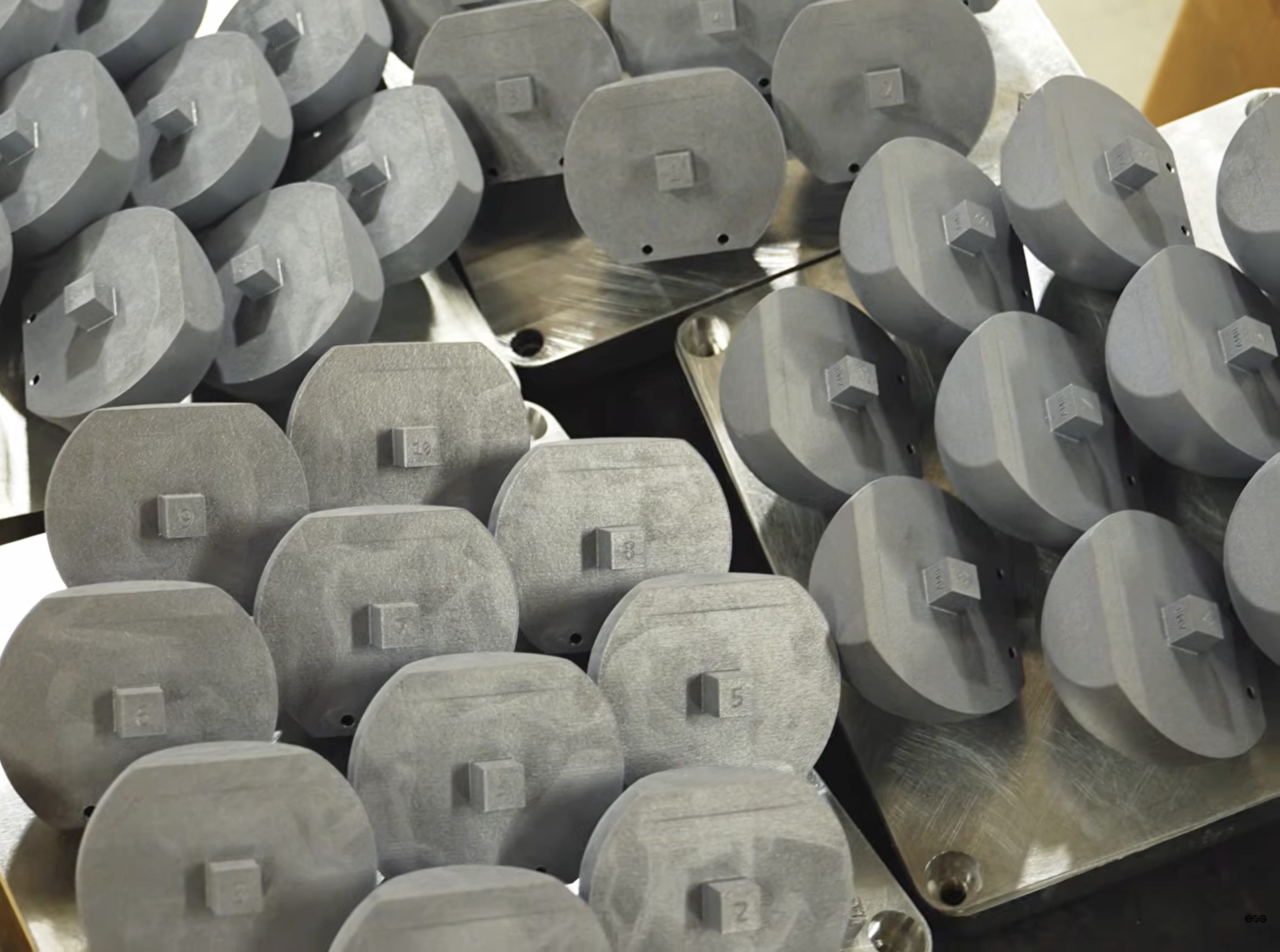
What the video largely does not show is parts. Nearly all the work Incodema3D does is proprietary, often because of its connection to defense. Here is what I can say: I saw a lot of parts. I saw a lot of production. At Incodema3D, the formerly airy and slower-paced facility now has batches of LPBF production moving through the facility in quantities, and in varieties of different batches, all very comparable to the amount, size and varieties of production that would be in motion through, for example, a busy, high-end production machining provider. I saw a facility working like many other production facilities to orchestrate and manage various production workflows all moving through the facility at once, which is the primary daily operational need of an engaged production site.
Produced by EOS, here is my tour through Incodema3D and my conversations with team members Kevin Engel, James Hockey, Matt Lewis and Sean Whittaker. Watch the video: